The Psychology Behind How the Mind Learns and Adapts
The human mind is one of the most potent learning systems on the planet. Throughout life, our brain continually reshapes itself—forming new neural connections and strengthening existing ones in response to experience—an ability called neuroplasticity. Understanding the psychology behind how the mind learns and adapts is practical, not just interesting: it reveals concrete ways to improve your ability to learn, remember, and solve new challenges.
Discover how Neuro Energizer translates this neuroscience into simple, actionable tools that help people build better learning habits, boost focus, and accelerate growth. Ready to see how your mind can change for the better?
The Foundation of Learning: Neuroplasticity
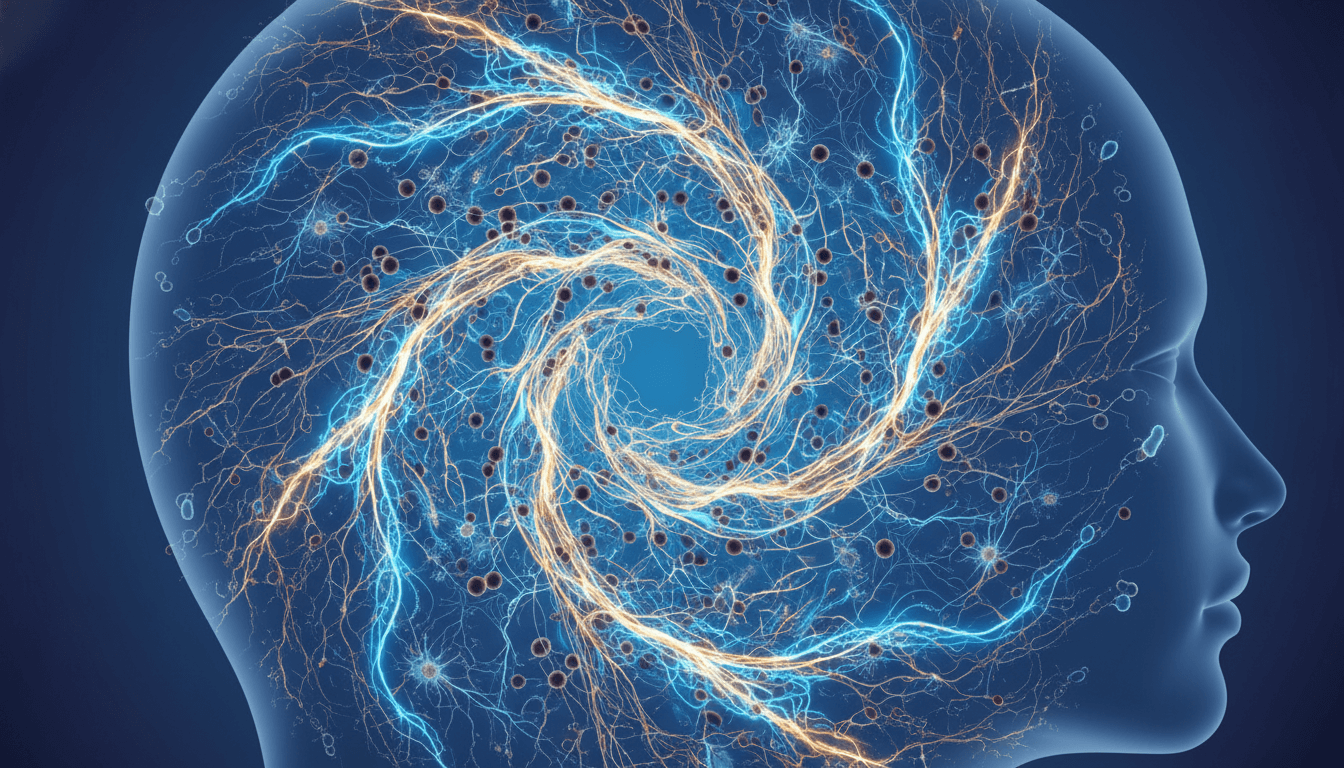
Neuroplasticity allows your brain to form new neural connections throughout life
Neuroplasticity describes the brain's ability to reorganize itself by forming new neural connections throughout life. This capacity lets the brain adapt to new experiences, recover some function after injury, and continuously support learning and development from early childhood through adulthood. Modern research has shown that plasticity is not limited to childhood—while the nature of change evolves with age, the brain remains responsive to experience throughout life.
As Dr. Norman Doidge explains in The Brain That Changes Itself, neuroplasticity helps explain how people can learn new skills, form durable memories, and—in some cases—recover abilities after stroke or injury. These real-world examples (learning a language as a teen or regaining movement after therapy) make the concept tangible: the mind and brain literally change as you practice and engage.
How Neuroplasticity Works
Neuroplasticity operates through several more precise, well-studied mechanisms:
Synaptic plasticity: Learning changes the strength of synapses—repeated practice strengthens the pathways you use, making related thoughts and actions more straightforward to access.
Neurogenesis (hippocampal): Evidence from animal models and a growing body of human research indicates new neurons can be generated in the hippocampus, a region important for memory; researchers note this process may decline with age but remains modifiable by activity and environment.
Cortical remapping: Following injury or intensive training, other cortical areas can take on functions previously handled by damaged regions—this remapping underlies many rehabilitation successes.
These mechanisms are influenced by day-to-day factors: sleep, nutrition, physical activity, and stress levels all affect how effectively the brain rewires. For example, language learning in childhood benefits from critical periods in development, while adults often rely on deliberate, sustained practice to create similar changes.
Key Psychological Theories of Learning
To understand how the mind acquires new skills and knowledge, it's helpful to look at a few core psychological theories. Each explains different learning processes and points to practical techniques you can use to improve development and everyday learning.
Classical Conditioning
Ivan Pavlov's classical conditioning describes how people learn to associate two stimuli: a neutral cue becomes linked to a meaningful event. For example, a child who repeatedly hears a particular song while studying may later find that song triggers focus (or distraction) simply by association. Classical conditioning helps explain many emotional responses and habitual reactions.
Operant Conditioning
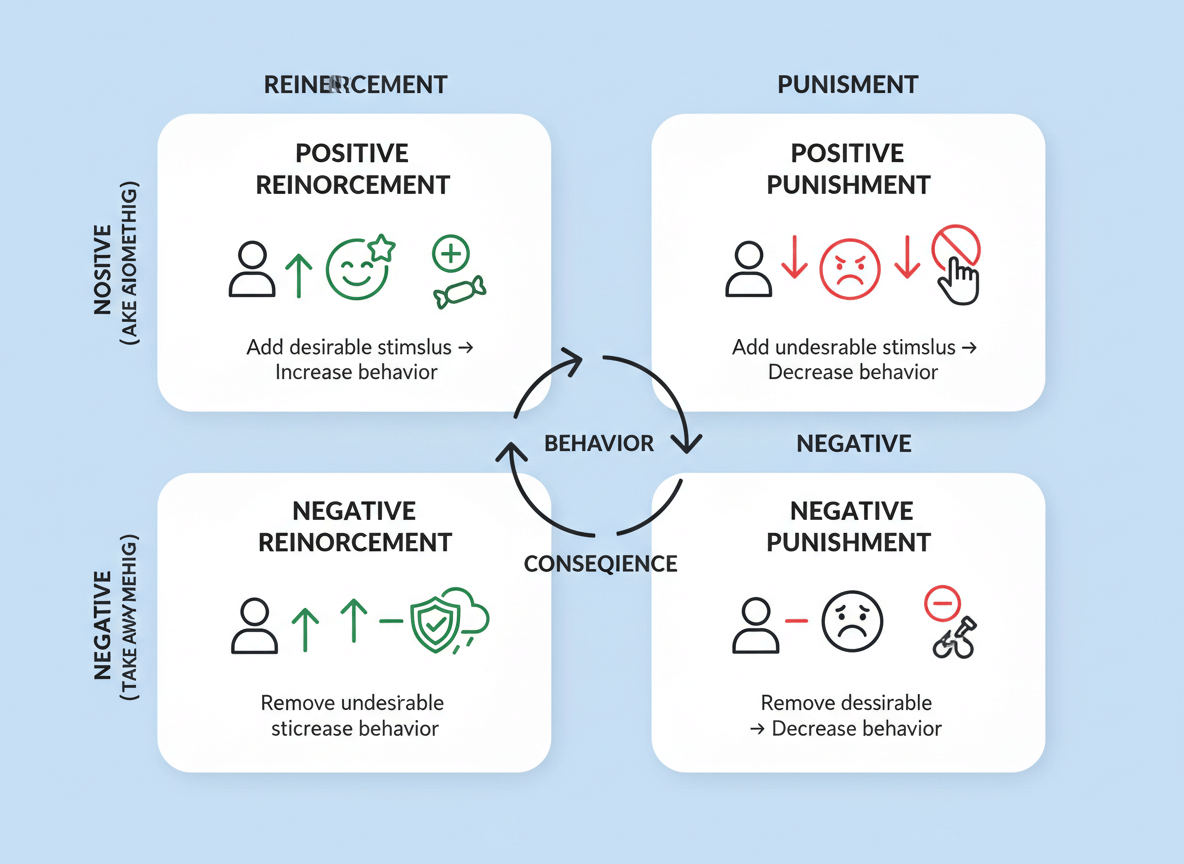
Operant conditioning shapes behavior through consequences
B.F. Skinner's operant conditioning shows how consequences shape behavior: rewarded actions are more likely to recur, while punished actions are less likely to recur. Modern learning apps use this principle—badges, streaks, and points tap the brain's dopamine reward system to reinforce desired study habits. In practice, arranging timely, meaningful rewards (even small ones) speeds habit formation and strengthens the neural pathways for the rewarded behavior.
Cognitive Learning Theory
Cognitive learning theory shifts focus from external behavior to internal processing—how the brain encodes, organizes, and retrieves information. Key ideas include information processing, schema development, and metacognition (thinking about thinking). Techniques rooted in this approach—like elaboration, chunking, and retrieval practice—improve long-term retention and make complex material (language, technical subjects, or problem-solving) easier to master.
Information processing: How we encode and store input so it becomes usable knowledge
Schema development: Building conceptual frameworks that let new facts fit into existing knowledge
Metacognition: Monitoring and adjusting your own learning strategies
Social Learning Theory
Albert Bandura's social learning theory emphasizes learning by observation and modeling. Watching a skilled teacher or peer perform a task provides a template that speeds your own learning—an effect partly supported by mirror-neuron research (though researchers caution against simplistic interpretations)—mentorship, group practice, and coaching all leverage social learning to accelerate development.
Across these theories, common practical takeaways emerge: use meaningful associations (classical conditioning), organize reinforcement (operant conditioning), actively process and retrieve information (cognitive approaches), and learn from others (social learning). Neuro Energizer integrates these principles—using reinforcement design, retrieval practice routines, and guided modeling—to help your brain and learning habits develop more efficiently.
The Role of Memory in Learning
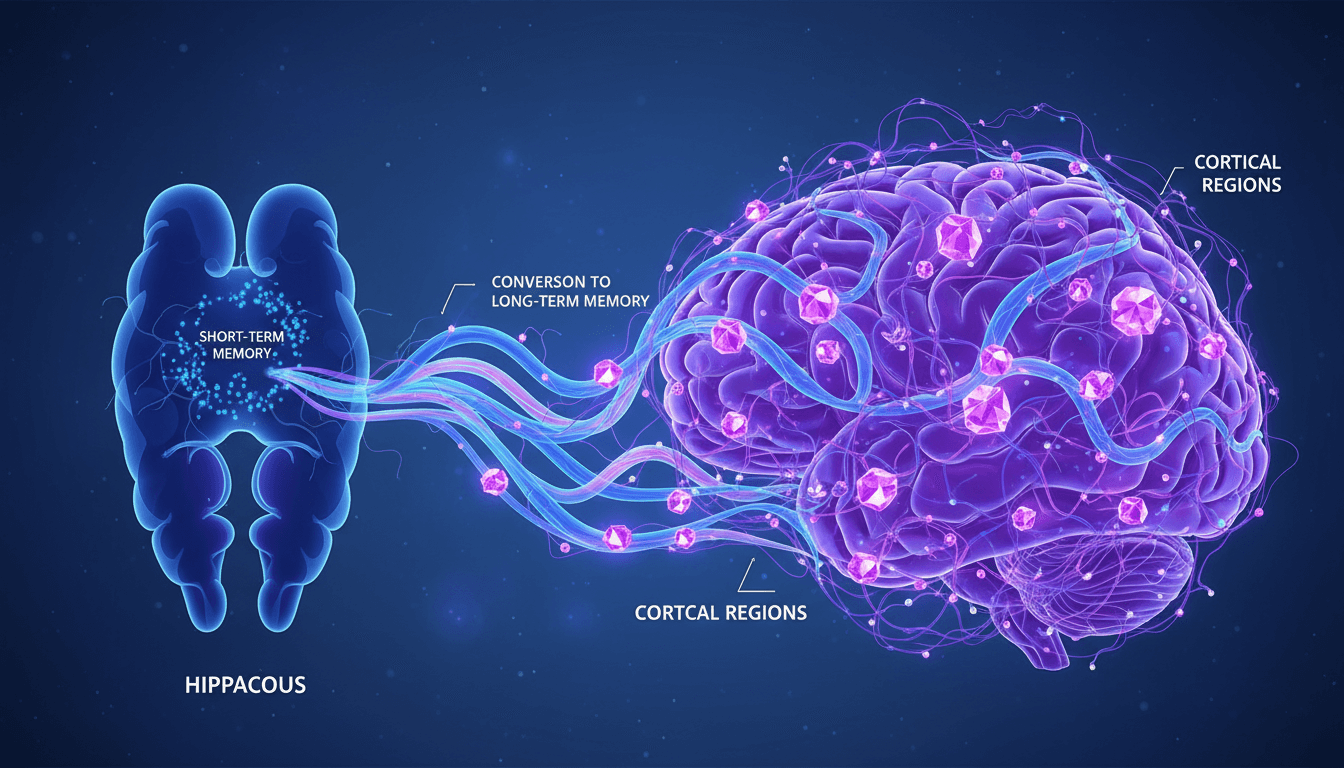
Memory formation involves complex processes that convert experiences into stored knowledge
Memory is the cornerstone of learning: without reliable storage and retrieval, new information cannot become usable knowledge. Understanding the brain systems and processes that create memories gives you practical leverage—so you can learn more efficiently and apply knowledge when it matters most.
Types of Memory
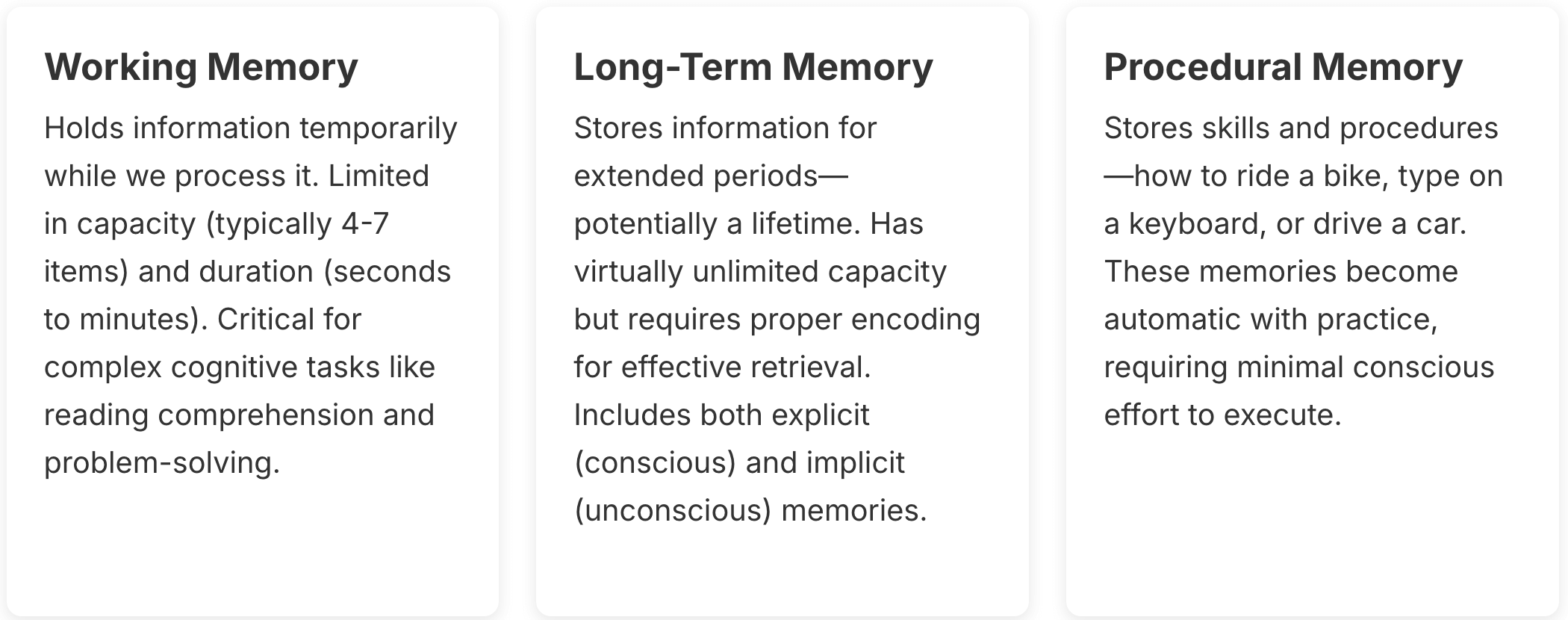
The Memory Formation Process
Memory formation typically follows three stages:
Encoding: Transforming sensory input into a storable representation. Deeper processing—connecting new facts to what you already know—creates stronger encodings.
Storage: Maintaining encoded information over time; this involves structural and chemical changes in neural networks that stabilize memory traces.
Retrieval: Accessing stored information when needed. Retrieval is an active reconstruction process—practicing recall strengthens the pathways used for retrieval.
Research found that sleep plays a vital role in memory consolidation. During sleep, the brain replays and strengthens neural patterns formed during waking learning, helping transfer information from temporary hippocampal traces to more stable cortical representations.
Quick practical tip: use elaboration when encoding (explain ideas in your own words), then schedule short retrieval sessions (self-testing) spaced over days to lock information into long-term memory.
Attention and Focus: The Gatekeepers of Learning
Before new information can be learned, it must first pass through the brain's attentional gateway. In today’s distraction-heavy environments, the ability to direct and sustain attention is one of the most valuable cognitive abilities—and one of the hardest to preserve.
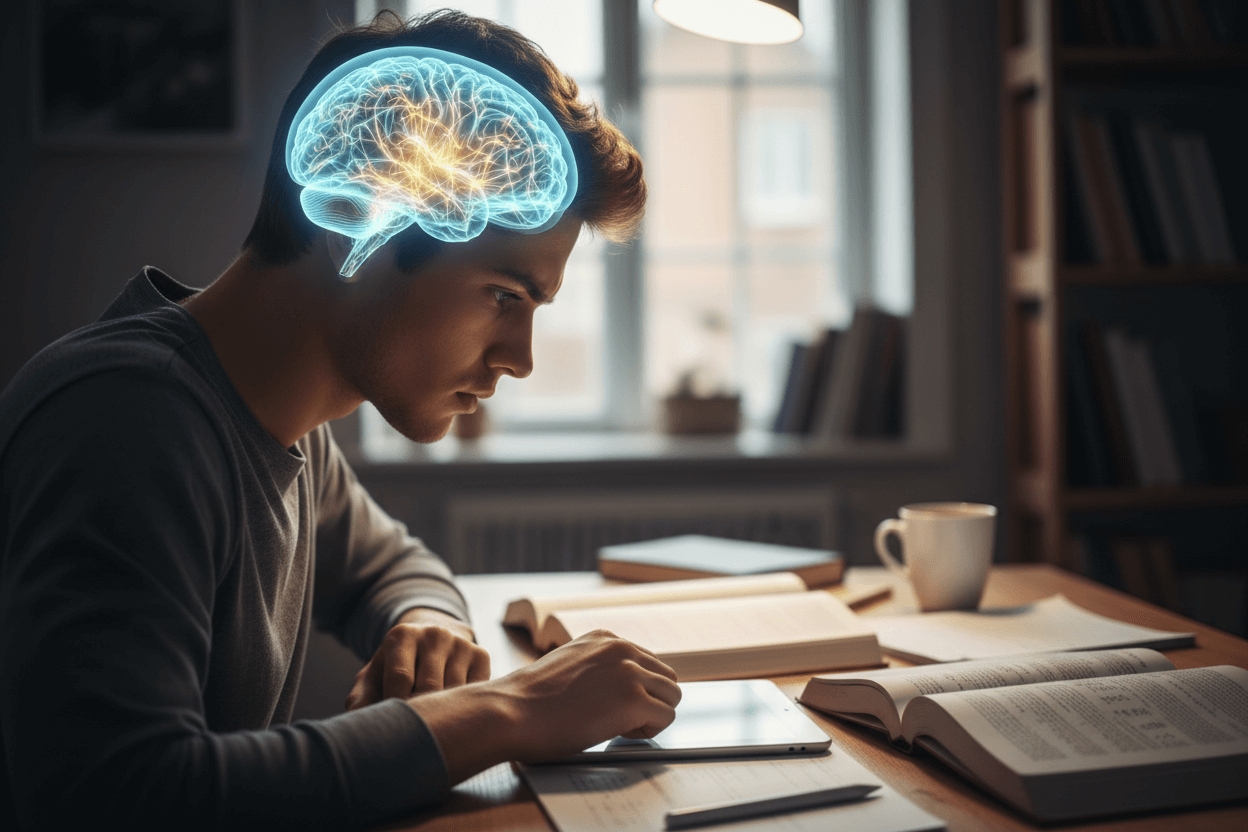
Focused attention activates specific neural networks essential for effective learning
Brain science shows attention enhances the neural representation of what you focus on while suppressing distractors. That selective amplification lets relevant information be processed more deeply and encoded into memory, so strengthening attention directly improves learning and problem-solving.
The Neuroscience of Attention
Attention depends on multiple interacting brain networks:
The alerting network sustains vigilance and readiness to receive information
The orienting network — directs attention to specific stimuli in your environment
The executive network manages control, suppresses distractions, and coordinates complex cognitive tasks
When these systems work together, you can reach deep focus states that turbocharge learning. But stress, fatigue, and environmental noise can disrupt these networks and degrade performance—so protecting attention is a key part of any training plan.
The Role of Focus in Skill Acquisition
Learning new skills requires concentrated, goal-directed practice—especially early on. Anders Ericsson's research on deliberate practice shows that practice alone is not enough; it must be focused, timed, and coupled with feedback to reshape brain circuits effectively. In short, the quality of attention matters more than the quantity of repetition.
Practical evidence: apps and platforms that reward consistency and provide immediate feedback leverage operant conditioning and the brain's dopamine system to reinforce focused study sessions—making attention-driven practice more likely to stick.
Three Quick Ways to Improve Focus
Time-box deep work: Use 25–50 minute focused sessions (Pomodoro-style) with short breaks to maintain alertness.
Minimize interruptions: Turn off notifications, create a dedicated study space, and use simple cues to signal learning time.
Train attention: Short, daily attention exercises improve control over time—build this training into your routine.
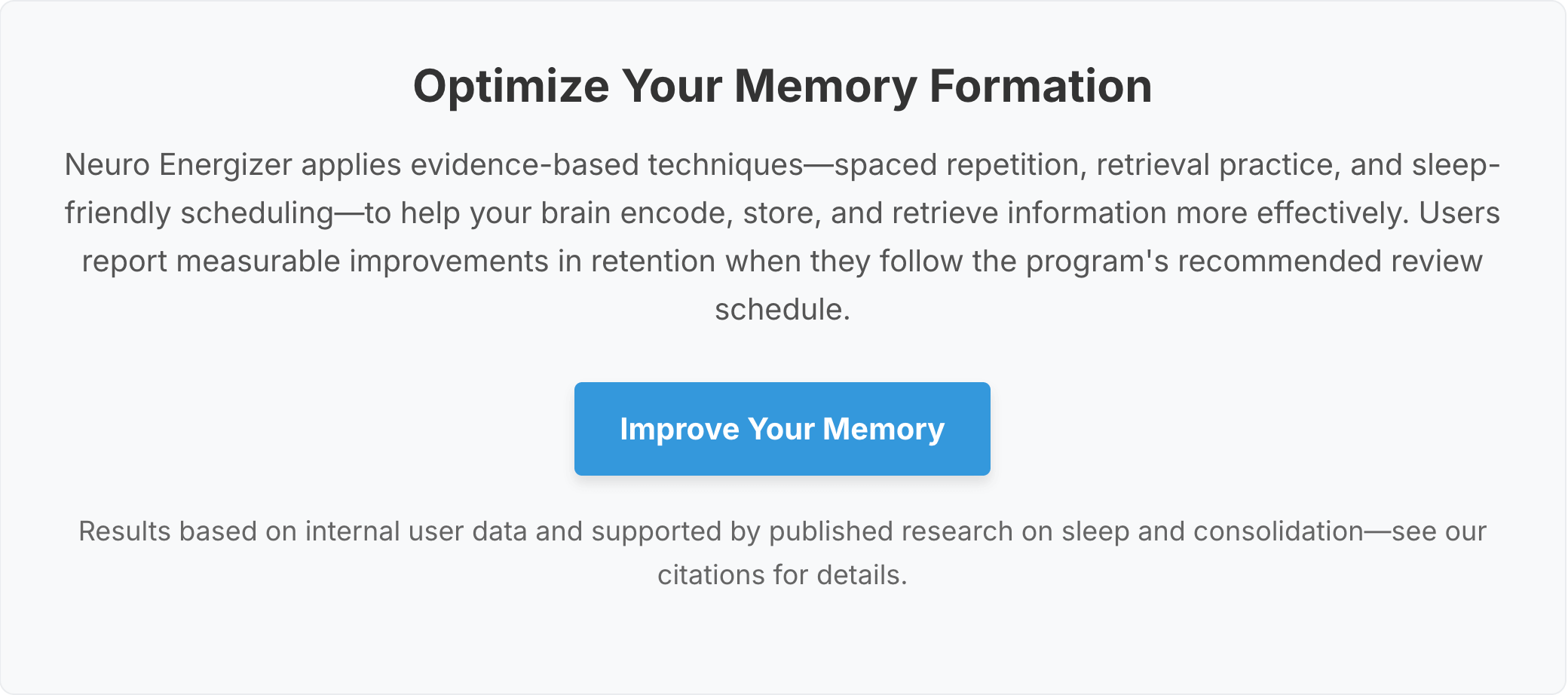
Want an easy starting point? Try Neuro EneEnergizer'see attention assessment to identify your strongest and weakest attention functions and receive personalized drills that fit into your day.
“The ability to learn is not fixed. It can be improved by the deliberate use of strategies and techniques that enhance attention, memory, and cognitive processing.”
Modern neuroscience describes attention as a spotlight: the circuits it illuminates undergo the most substantial neuroplastic change. Strengthen your spotlight, and you strengthen the brain pathways that support lasting learning.
Habit Formation and Automaticity
Not all learning requires conscious effort. Many of the most valuable skills you develop become automatic habits, freeing up mental bandwidth for higher-level thinking. Understanding how habits form lets you design learning routines that stick and turn deliberate practice into effortless ability over time.
The Habit Loop
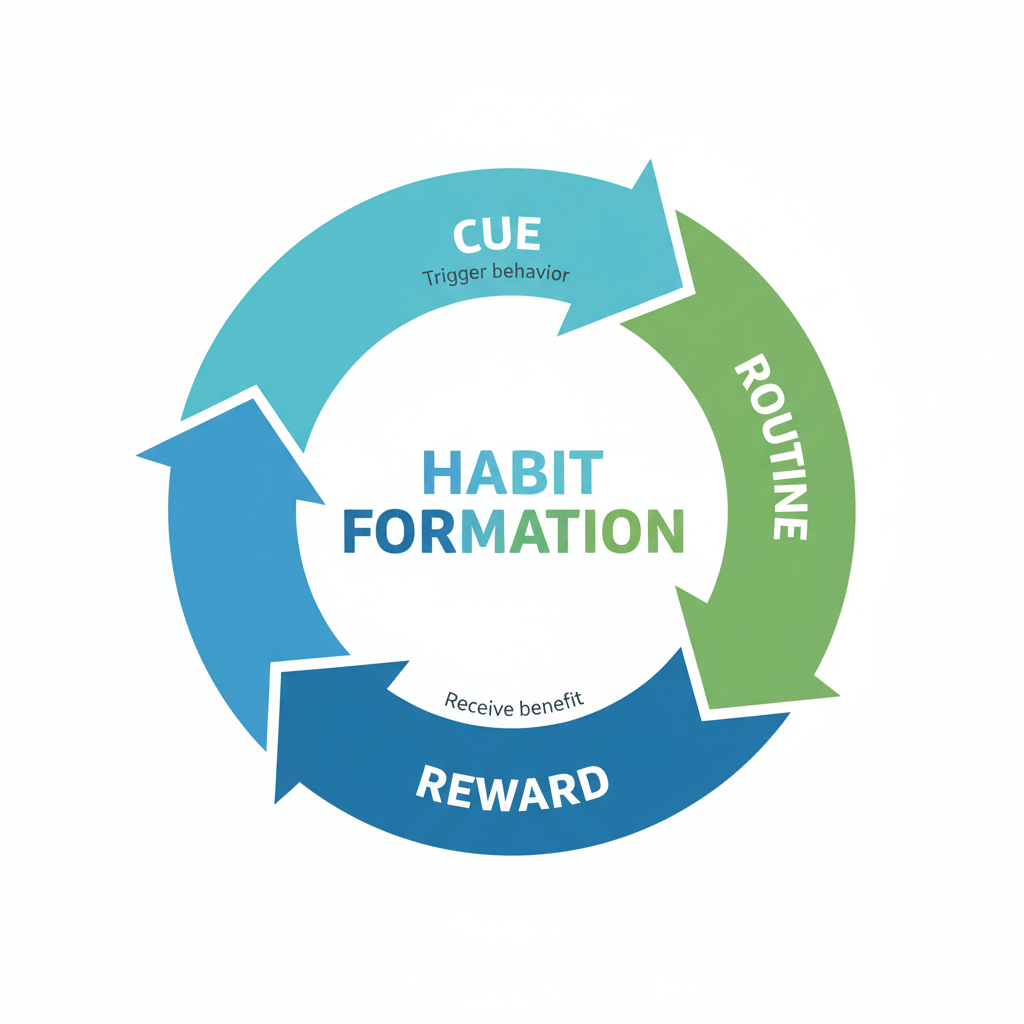
The habit loop consists of three elements: cue, routine, and reward
As Charles Duhigg outlines in The Power of Habit, habits follow a predictable pattern:
Cue: A trigger that initiates the habit
Routine: The behavior itself
Reward: The positive outcome that reinforces the routine
For example, if your cue is opening a study app after dinner, the routine is 15 minutes of focused vocabulary practice, and the reward is a small celebration (a progress badge or a short break). That loop makes vocabulary learning an automatic part of your evening. Over time, the neural pathways for that routine strengthen, making the behavior more straightforward to execute.
From Conscious Effort to Automaticity
The shift from novice to expert reflects predictable changes in brain activity. Early learning relies heavily on the prefrontal cortex for conscious planning and control. With repeated practice, control shifts toward subcortical structures like the basal ganglia, which support habitual, efficient execution; the cerebellum also helps automatize motor and timing aspects of skilled behaviors. These brain changes explain why repeated, well-structured practice reduces cognitive load and increases fluency.
Because automatic skills are resistant to change, it's valuable to design habits carefully from the start—and to include periodic deliberate review to keep skills flexible.
Simple Habit Templates for Learning
15/2 Language Drill: Cue = same time each day; Routine = 15 minutes of spaced vocabulary practice; Reward = 2-minute enjoyable break.
Daily Problem Slot: Cue = morning coffee; Routine = solve one practice problem; Reward = mark it on your progress streak.
End-of-Session Review: Cue = end of study block; Routine = 2-minute self-test (retrieve); Reward = visual progress update.
These short, repeatable activities create frequent opportunities for your brain to strengthen the relevant neural circuits—accelerating ability and making learning part of your daily life.
Emotional Factors in Learning and Adaptation
Emotions are central to how the mind learns and adapts. The brain's emotional and cognitive systems are tightly linked, so your emotional state — from curiosity to stress — directly shapes what you attend to, how you encode information, and which memories stick.
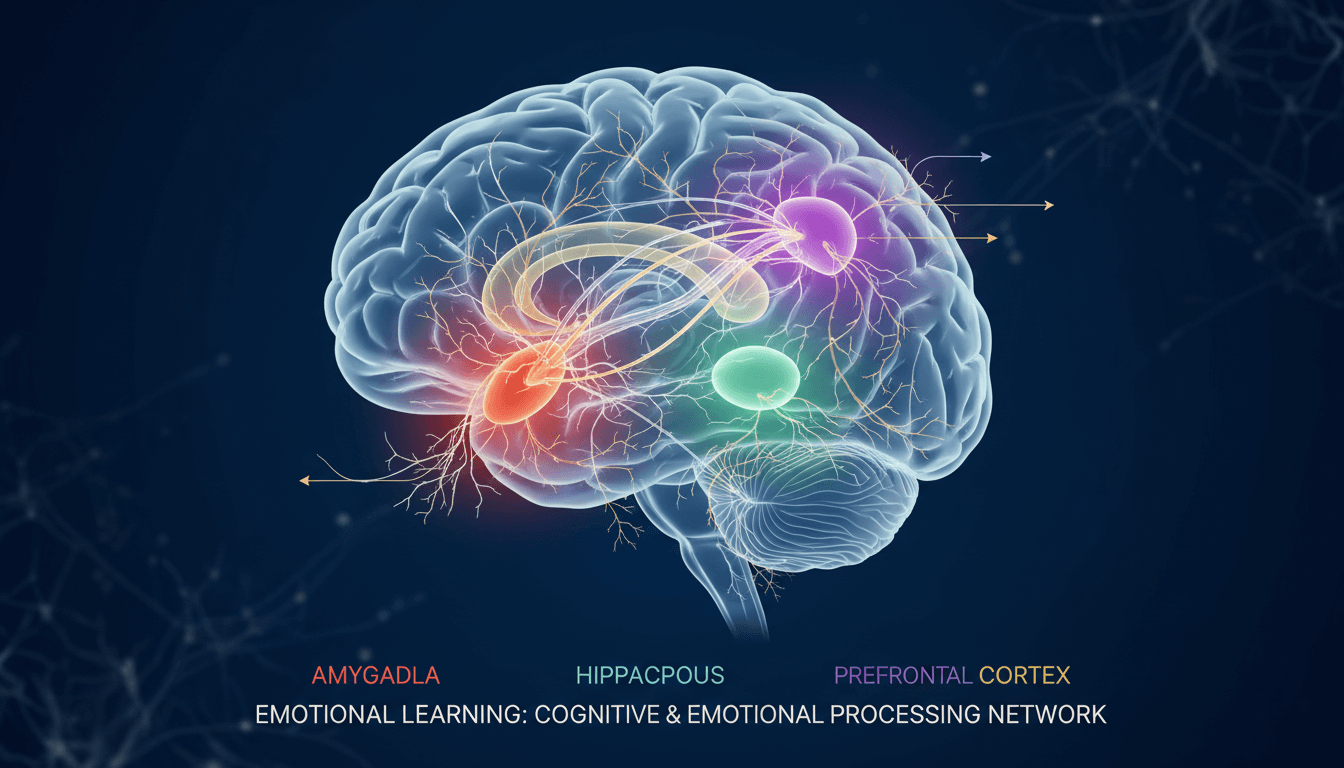
Emotional processing in the amygdala directly influences memory formation in the hippocampus
The Amygdala-Hippocampus Connection
Neuroscience shows a strong functional link between the amygdala (emotion processing) and the hippocampus (memory formation). Emotionally salient events—positive or negative—are encoded more vividly and recalled more reliably because the amygdala amplifies hippocampal consolidation. This survival-oriented design explains why emotionally meaningful lessons (a compelling story, a striking demonstration) are more memorable than dry facts.
Practical example: students who learn vocabulary within emotionally engaging stories or contexts often remember words longer than those who memorize lists—a simple way to harness emotional salience for learning.
Stress and Learning
The relationship between arousal and learning often follows an inverted-U pattern (the Yerkes–Dodson concept): low arousal can lead to underengagement, moderate arousal supports peak performance, and excessive stress impairs encoding and retrieval. Chronic stress is particularly harmful — prolonged high cortisol correlates with reduced hippocampal volume in some studies, which helps explain lasting memory and learning difficulties under sustained stress.
Stress-management tip: Build short relaxation breaks into study sessions (deep breaths, 3–5 minute walks) to keep arousal in the optimal range.
Stress-management tip: Prioritize sleep and regular exercise — both reduce chronic stress and support memory-related brain functions.
Motivation, Reward, and Intrinsic Drive
The brain's dopamine reward system reinforces behaviors that lead to positive outcomes. While external rewards (grades, money) can motivate behavior, intrinsic motivation—curiosity, mastery, personal meaning—typically produces deeper, more durable learning because it aligns the brain's reward signals with the learning process itself.
Two practical ways to attach positive emotion to learning:
Gamify progress: Celebrate small wins (progress badges, visible streaks) to create short-term positive feedback.
Connect to purpose: Frame new material in terms of personal goals or values so curiosity and meaning drive engagement.
Neuro Energizer incorporates motivational design—reward structures and goal framing—to boost intrinsic engagement, helping learners sustain practice and deepen retention.
“The brain is not a passive recipient of information but an active participant that is constantly predicting what will happen next. Emotions serve as powerful signals that guide this predictive process.”
In short, emotion shapes attention, encoding, and retrieval. By managing stress, attaching positive emotions to study, and cultivating intrinsic motivation, you strengthen the mind and brain systems that support lasting learning and adaptation.
The Social Dimension of Learning
Humans are naturally social learners: the mind and brain evolved to absorb information from others, making social interaction a powerful accelerator of development and adaptation. Collaborative contexts—classrooms, teams, mentorships—provide signals, examples, and feedback that speed learning beyond what solitary study can achieve.

Social learning activates unique neural networks that enhance retention and understanding
Mirror Neurons and Observational Learning
Research on mirror neurons suggests a neural basis for observational learning: some brain cells fire both when we perform an action and when we watch someone else perform it. While researchers caution against over‑simplifying the evidence, observational learning clearly helps create neural templates that make it easier to reproduce complex skills after watching skilled performers.
Example: watching a language tutor pronounce new sounds or a mentor demonstrate a problem-solving process gives your brain a ready-made model to imitate—faster than decoding instructions from text alone.
The Zone of Proximal Development
Lev Vygotsky's "zone of proximal development" highlights learning that happens with guidance: the gap between what a learner can do independently and what they can achieve with help. This is where teaching, coaching, and peer support are most effective—social scaffolding lets learners tackle tasks just beyond their current level and internalize those skills over time.
Practical mentoring vignette: an apprentice programmer solves progressively harder bugs with a mentor's hints; each successful step pushes the apprentice's independent ability forward and rewires the brain for more complex problem-solving.
Cultural Learning and Collective Knowledge
Humans uniquely accumulate and transmit collective knowledge across generations. Language, tools, and shared practices are cultural carriers: specialized brain areas for language processing, theory of mind, and episodic memory help us learn from others' experiences rather than relying solely on personal trial-and-error.
That means learning environments—families, schools, workplaces, and online communities—shape what and how people learn. Designing rich social environments multiplies learning opportunities and accelerates development.
Individual Differences in Learning and Adaptation
While the fundamental mechanisms of learning apply to everyone, people differ in how they learn best. Recognizing those individual differences—across cognitive styles, abilities, and beliefs—helps tailor strategies that speed development and make learning more efficient.
Cognitive Styles and Learning Preferences
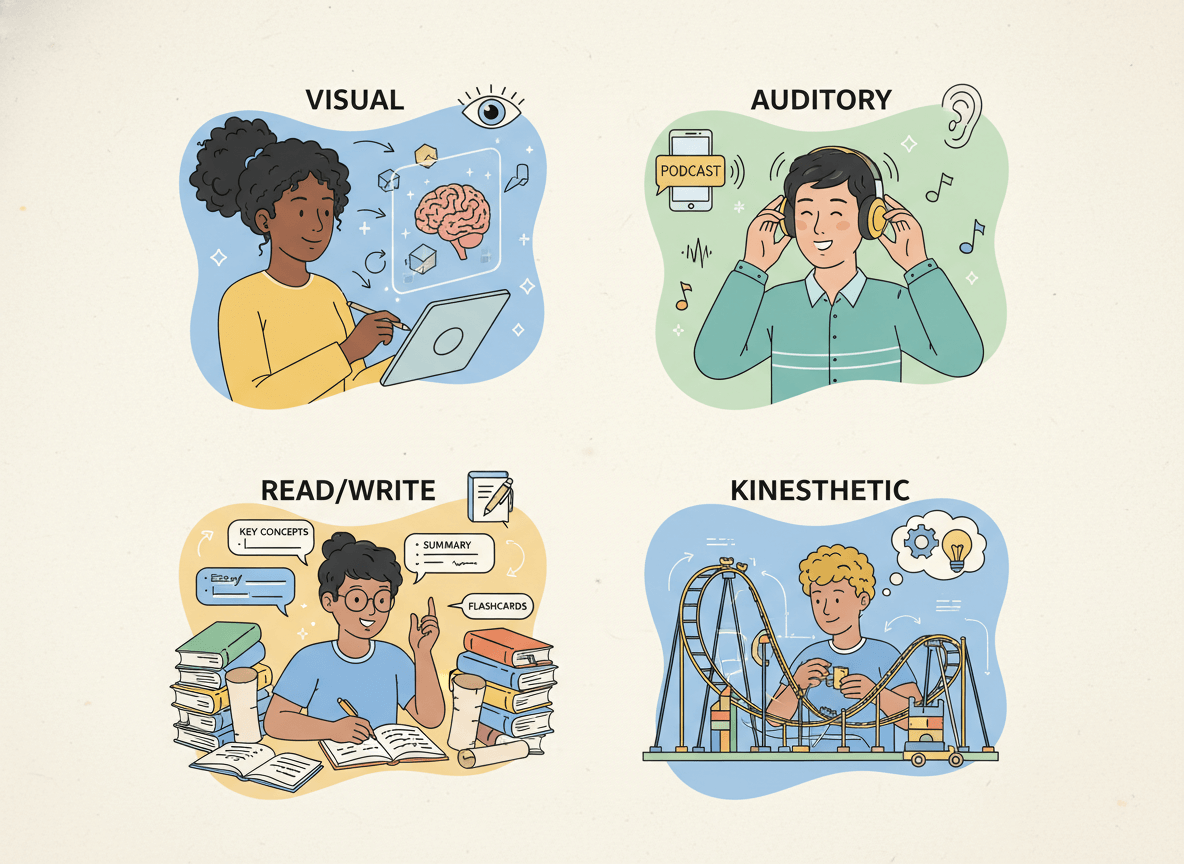
Different cognitive styles influence how individuals process and retain information
Researchers describe several dimensions along which learners vary: visual vs. verbal processing, sequential vs. holistic thinking, and reflective vs. impulsive approaches. Although strict "learning styles" labels (visual, auditory, kinesthetic) have limited empirical backing, engaging multiple modalities and aligning study methods with personal preferences improves attention and retention.
Cognitive Abilities and Learning Potential
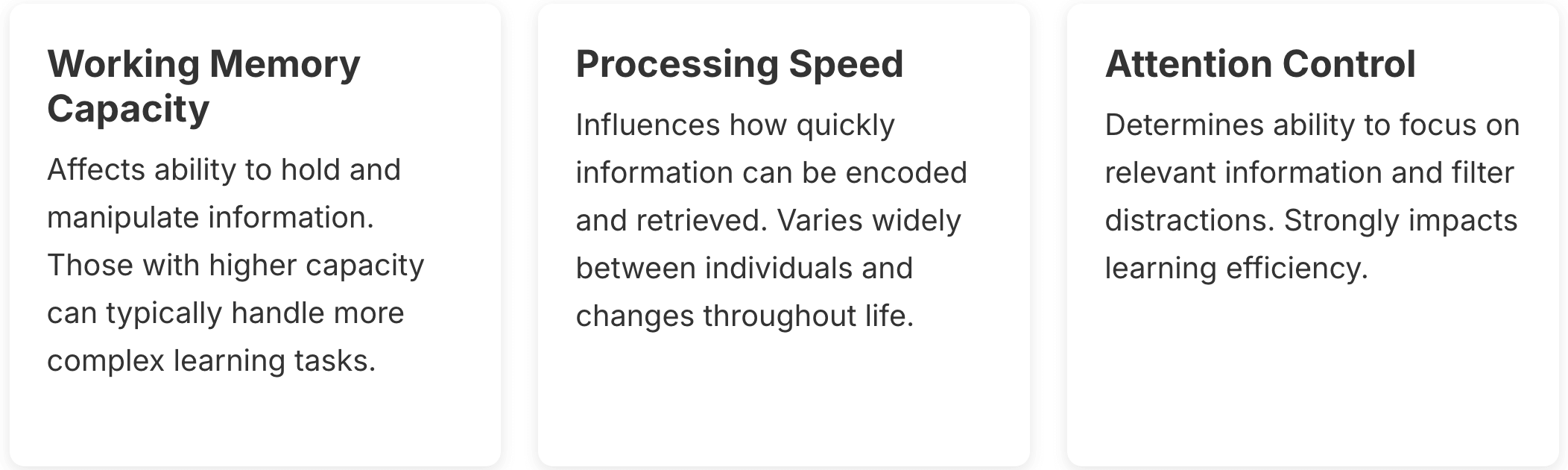
People also vary in core cognitive abilities that shape learning:
Growth Mindset and Belief About Ability
One of the most powerful individual differences is mindset—the belief that abilities are either fixed or can be developed. Dr. Carol Dweck's research shows that people with a growth mindset (the belief that effort and strategies lead to improvement) persist longer, embrace challenges, and ultimately achieve higher mastery than those with a fixed mindset.
Neuroscientific studies suggest that this mindset difference correlates with distinct patterns of attention and error processing in the brain, meaning that belief systems shape how the mind responds to setbacks and learns from mistakes.
Quick Self-Rubric: Assess Your Learning Profile
Do you prefer diagrams or written explanations? (Visual vs. verbal)
Do you work best step by step or by seeing the whole picture first? (Sequential vs. holistic)
Do you need quiet reflection time, or learn better by trying quickly and iterating? (Reflective vs. active)
Use your answers to select strategies: multisensory materials if you lean visual, structured checklists if you prefer sequential learning, and short practice cycles if you favor active experimentation.
Example vignette: Maria, a working professional, improved her working memory and task performance by following a two-month targeted practice plan—daily 12-minute working-memory drills, spaced-retrieval sessions for new material, and environmental changes to reduce distractions. Over the weeks, she reported faster problem-solving and greater confidence.
Neuro Energizer personalizes training based on a short cognitive assessment, matching exercises to your profile. Hence, you focus on the functions that matter most for your goals—whether you're a child in school, an adult learning new skills, or someone rebuilding abilities after an injury.
Learning and Adaptation Throughout Life
Contrary to old assumptions, the mind and brain retain meaningful capacity for learning throughout life. While some cognitive processes change with age, neuroplasticity persists—so children, adults, and older learners all have opportunities for growth and development.
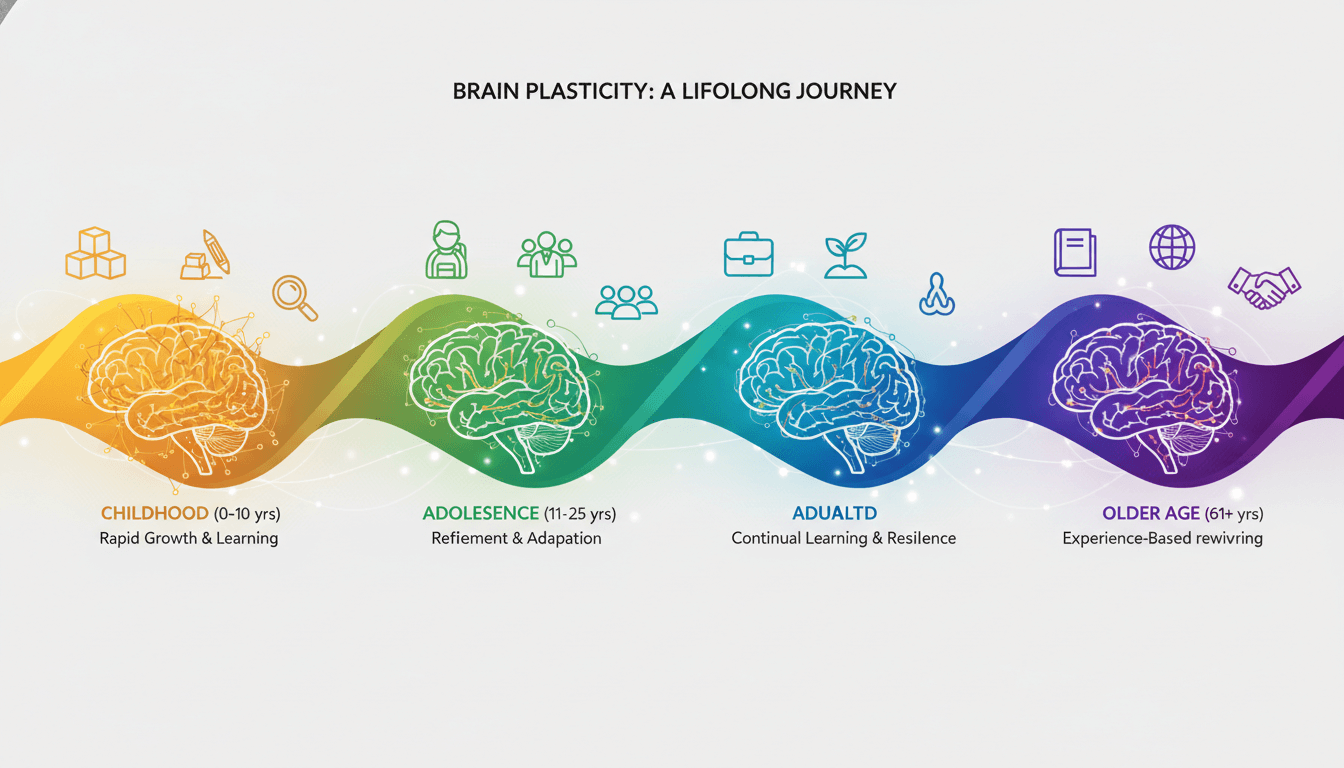
Neuroplasticity continues throughout life, though its nature changes across different developmental stages
Developmental Changes in Learning
The brain's readiness for different types of learning shifts across the lifespan:
Early childhood: A period of extraordinary plasticity for language acquisition and sensory development—critical periods make childhood environments especially influential for later abilities.
Adolescence: A second wave of neural reorganization, particularly in prefrontal regions that support executive function, planning, and social cognition.
Adulthood: Learning remains robust but often benefits from more deliberate, goal-directed strategies that connect new material to existing knowledge.
Older adulthood: Some processing speeds and certain memory functions may slow, yet experience-dependent plasticity continues and crystallized knowledge (vocabulary, domain expertise) often improves.
Cognitive Reserve and Brain Maintenance
Research found that lifelong learning and sustained cognitive engagement contribute to "cognitive reserve"—a resilience that helps preserve brain function in the face of age-related change. Engaging activities, social interaction, and mentally challenging pursuits are associated with better cognitive outcomes in many longitudinal studies.
While the degree of neurogenesis and synaptogenesis can vary with age and between individuals, evidence indicates that activity, enriched environments, and targeted training can help maintain, and sometimes enhance, neural function in adults and older learners.
Adapting Learning Strategies Across the Lifespan
Practical approaches vary by stage—tailor strategies to the learner's life phase:
The central insight is simple: learning capacity evolves rather than disappears. By adapting methods to developmental strengths—whether in childhood, adulthood, or later life—people can continue to grow mentally and maintain brain health.
Technology and the Future of Learning
Advances in brain science and learning technology are reshaping how the mind acquires and applies knowledge. New tools enable personalizing training, monitoring progress, and creating immersive practice environments that accelerate development across many areas of cognition.
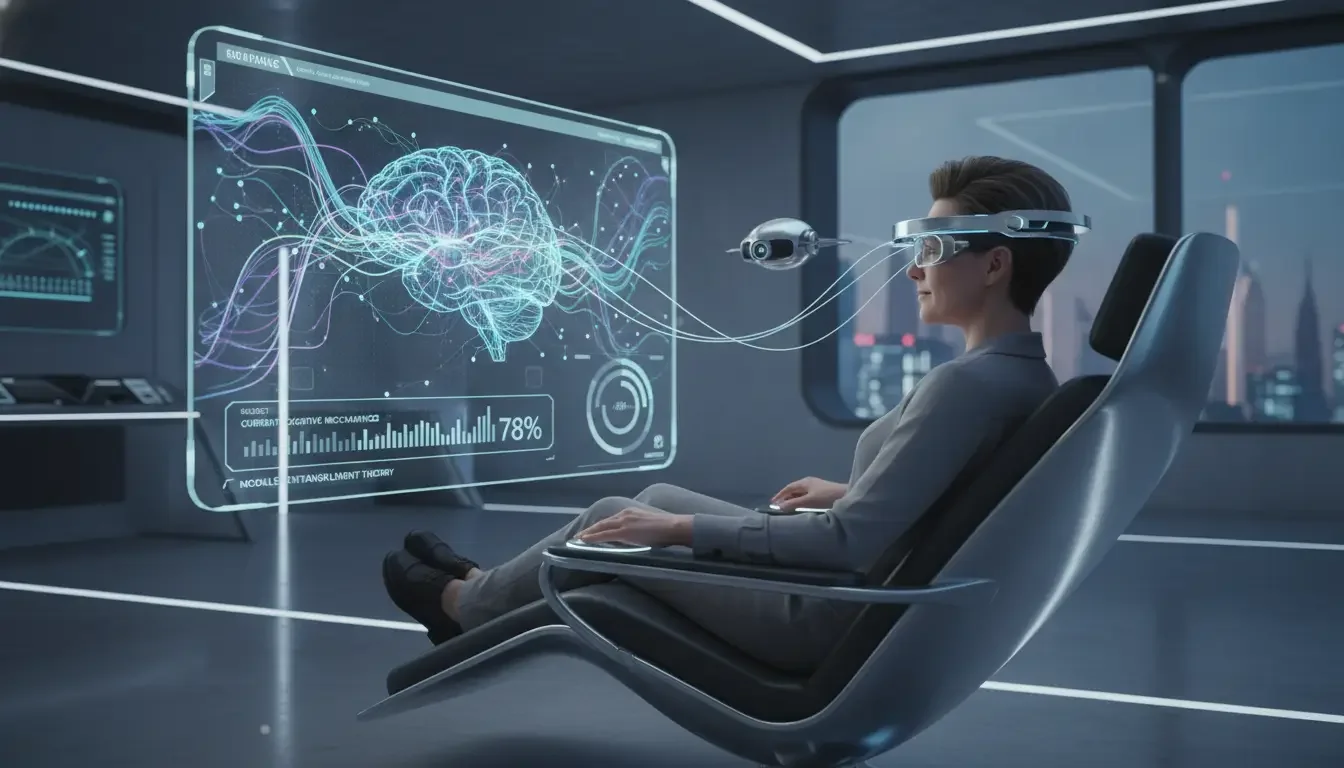
Emerging technologies are creating new possibilities for optimizing learning and cognitive function
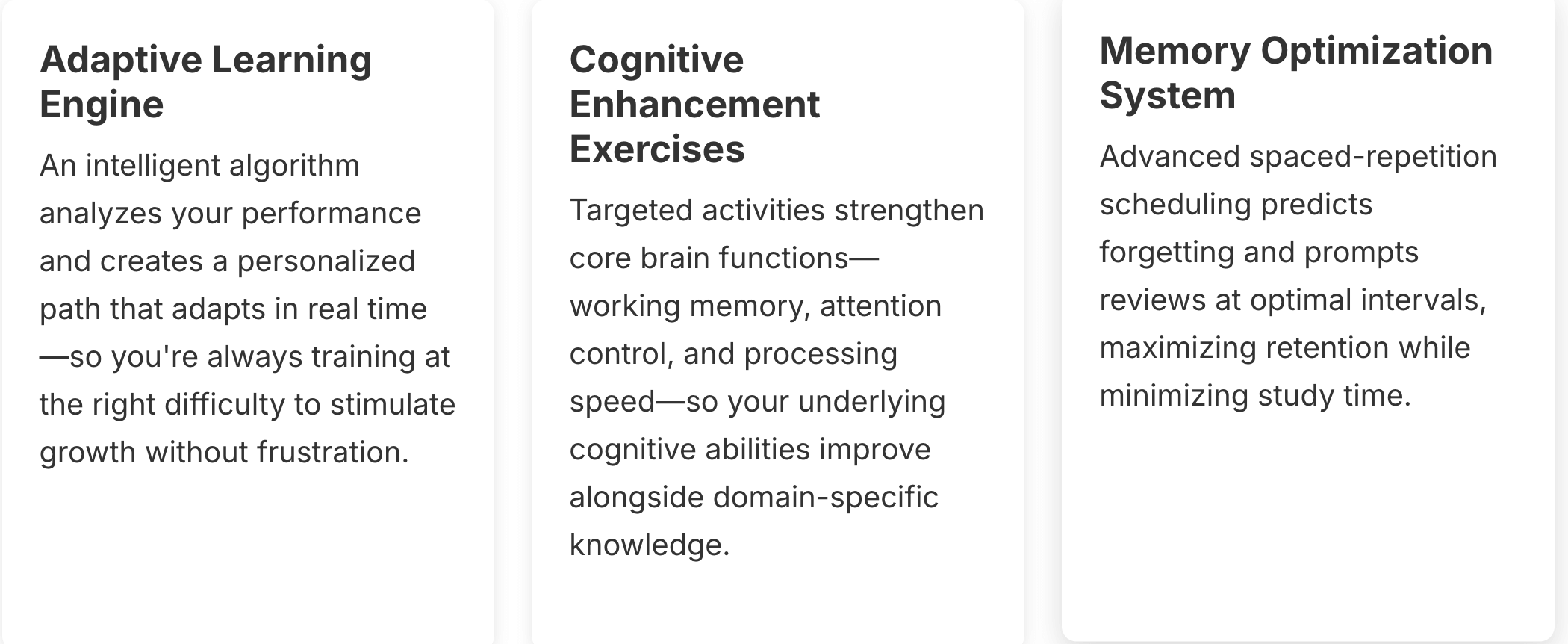
Adaptive Learning Systems
Adaptive systems use algorithms to tailor challenge and practice to each learner, identifying gaps and adjusting difficulty in real time. Typical capabilities include:
Detecting knowledge gaps and learning patterns
Adjusting difficulty and sequencing based on performance
Providing timely, personalized feedback and reinforcement
Scheduling reviews to align with forgetting curves
By keeping tasks in the optimal zone of proximal development, adaptive platforms help the brain build stronger neural connections without unnecessary frustration. For example, Neuro Energizer schedules spaced reviews automatically and increases challenge only when your performance indicates readiness—so your training sessions are efficient and evidence‑based.
Neurofeedback and Cognitive Training
New approaches let users target brain function more directly. Options include:
Neurofeedback: Real-time feedback about brain activity that can support self-regulation of attention and arousal
Cognitive training programs: Exercises that target working memory, processing speed, and attention to strengthen underlying functions
Non-invasive brain stimulation (e.g., tDCS): Experimental techniques that may enhance learning in specific, controlled contexts—evidence is mixed, and researchers advise cautious, targeted use.
While some technologies show promise, the research varies by method and domain; "early evidence suggests" is the correct posture for many of these tools. Combining well‑validated cognitive training with good sleep, exercise, and practice routines remains the most reliable path to improved cognitive function.
Augmented and Virtual Reality for Experiential Learning
AR and VR create immersive scenarios that engage multiple sensory systems at once—conditions that enhance memory formation and skill acquisition. These technologies are beneficial for:
Simulating experiences that would be dangerous or impractical in real life
Providing immediate, precise feedback on performance
Creating emotionally engaging, memorable learning contexts
Allowing repeated practice across varied environments
By combining adaptive algorithms with immersive experiences, modern platforms can mimic real-world complexity while maintaining controlled training conditions—an efficient way to build transferable skills and strengthen relevant neural circuits.
Try a quick demo: Neuro Energizer offers a free 3-minute cognitive task that shows how adaptive review and feedback adjust to your responses—an easy way to experience personalized training firsthand.
Practical Strategies to Enhance Learning and Adaptation
When you align study methods with how the mind and brain actually learn, improvement follows faster and with less wasted effort. Below are practical, evidence-based strategies you can start using today to boost learning, build cognitive abilities, and support long-term growth.
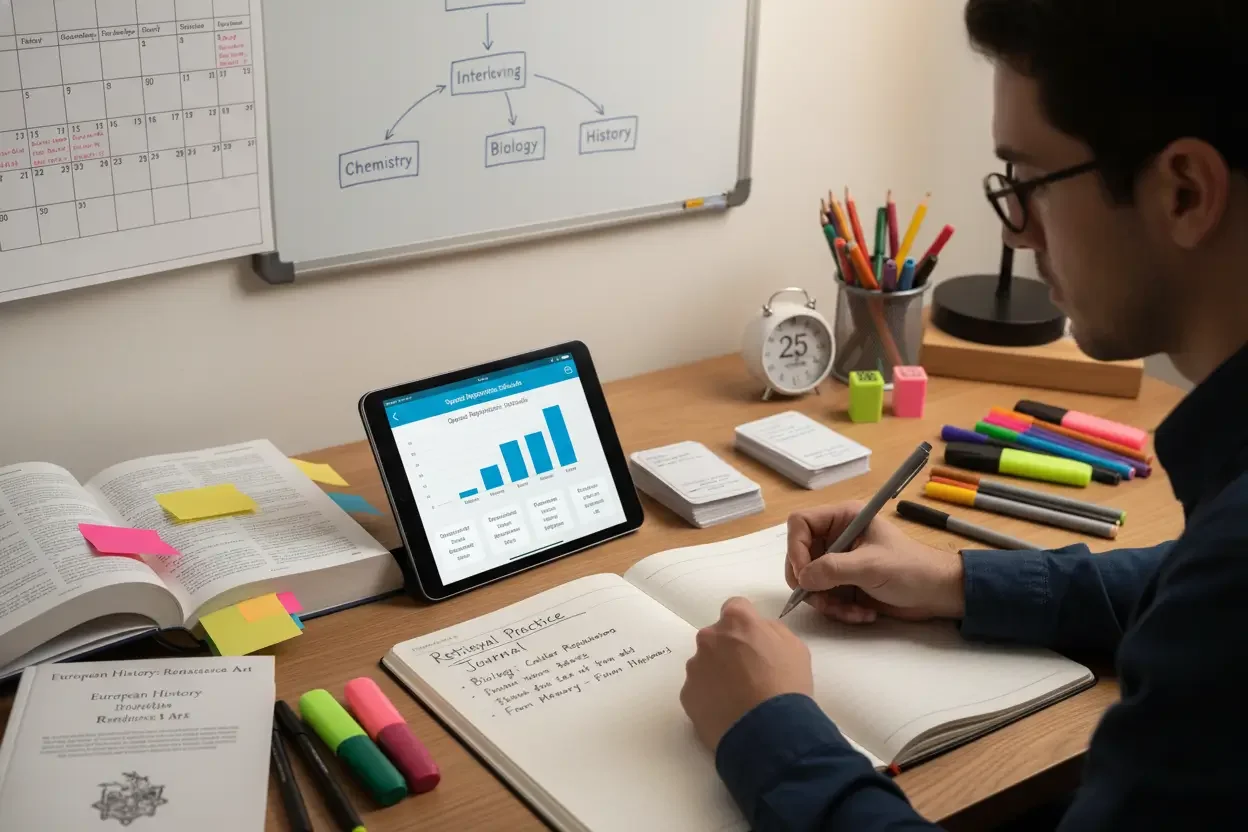
Evidence-based learning strategies work with your brain's natural processes to enhance retention and understanding
Optimize Your Learning Environment
Small environmental changes make a big difference for attention and memory. Try these easy adjustments:
Minimize distractions: Silence notifications, limit tabs and background noise, and use a consistent visual layout so your attention isn’t taxed by clutter.
Set a dedicated space: Use the same chair, desk, or corner for study—contextual cues help the brain switch into learning mode.
Optimize lighting and comfort: Natural light and a moderate room temperature support sustained cognitive function.
Use social supports: Learning communities and study partners provide motivation, feedback, and accountability.
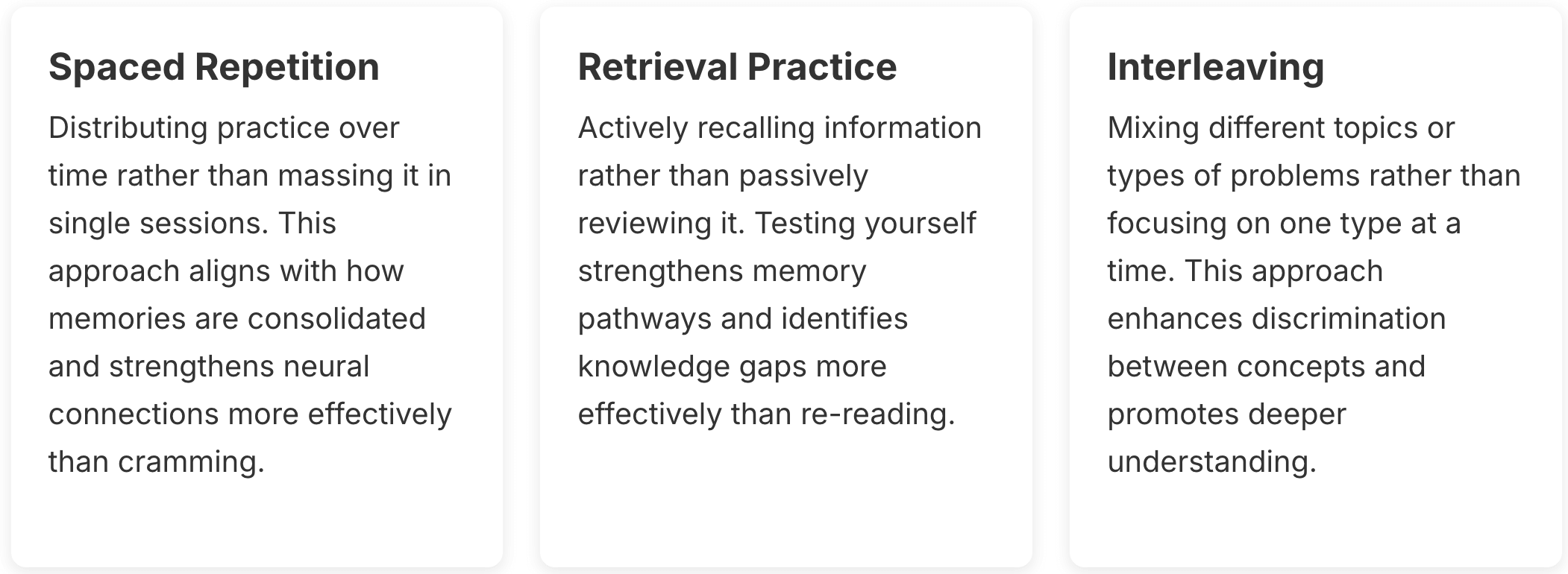
Leverage Evidence-Based Learning Techniques
These techniques work directly with memory and neuroplasticity to make learning more durable and efficient.
Support Your Brain's Physical Needs
Strong cognitive performance depends on physical well-being. Treat your brain like an athlete.
Prioritize sleep: Aim for consistent, sufficient sleep—consolidation happens during slow-wave and REM cycles.
Exercise regularly: Aerobic activity increases BDNF and supports neuroplasticity—short, frequent workouts can boost learning capacity.
Eat for focus: Maintain steady energy with balanced meals and hydration; include omega-3s, lean protein, and micronutrients that support brain function.
Manage stress: Chronic stress impairs hippocampal function; use brief relaxation breaks, mindfulness, or movement to keep stress in check.
Cultivate a Growth Mindset—A Micro Exercise
Your beliefs about ability shape effort and outcomes. Try this quick daily habit to build a growth mindset:
After each study session, write one specific mistake and one concrete adjustment you’ll try next time.
View effort as data—note what worked and what didn’t instead of labeling yourself.
Celebrate incremental progress (even small gains signal neural change).
Over time, this reflective loop trains the mind to treat challenges as learning opportunities, increasing persistence and the brain’s responsiveness to training.
Introducing Neuro Energizer: Learning Optimized for Your Brain
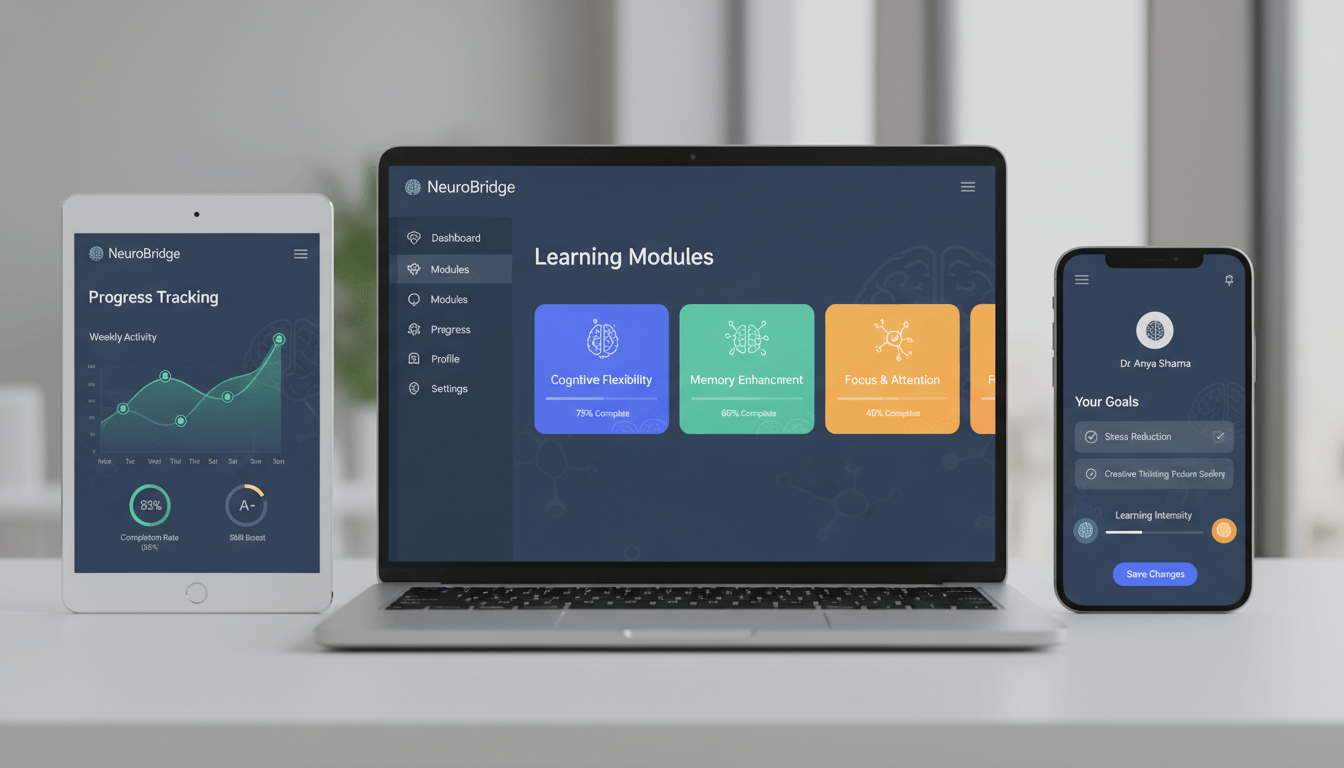
NeuroBridge's intuitive interface makes advanced learning science accessible to everyone
Neuro Energizer is a science-backed digital learning system that applies modern brain science to help you learn faster, remember more, and adapt to new challenges. Built by cognitive scientists, educators, and engineers, Neuro Energizer turns the psychology of learning into practical, daily actions that fit real life.
Key Features
How It Works
Cognitive Assessment: Start with a brief set of engaging tasks that identify your cognitive profile and learning preferences.
Personalized Plan: Receive a customized plan that targets your strengths and trains your weaker functions to accelerate overall learning.
Daily Practice: Short, adaptive sessions deliver exercises and learning modules that adjust to your performance.
Progress Tracking: Visual analytics show improvements across cognitive domains and learning goals.
Ongoing Optimization: The system evolves with you—recalibrating difficulty and focus areas as you make progress.

“Using Neuro Energizer changed how I study. As a medical student, I had to absorb huge amounts of information; the spaced-repetition plan helped me study smarter and retain more—saving me time while improving results.”
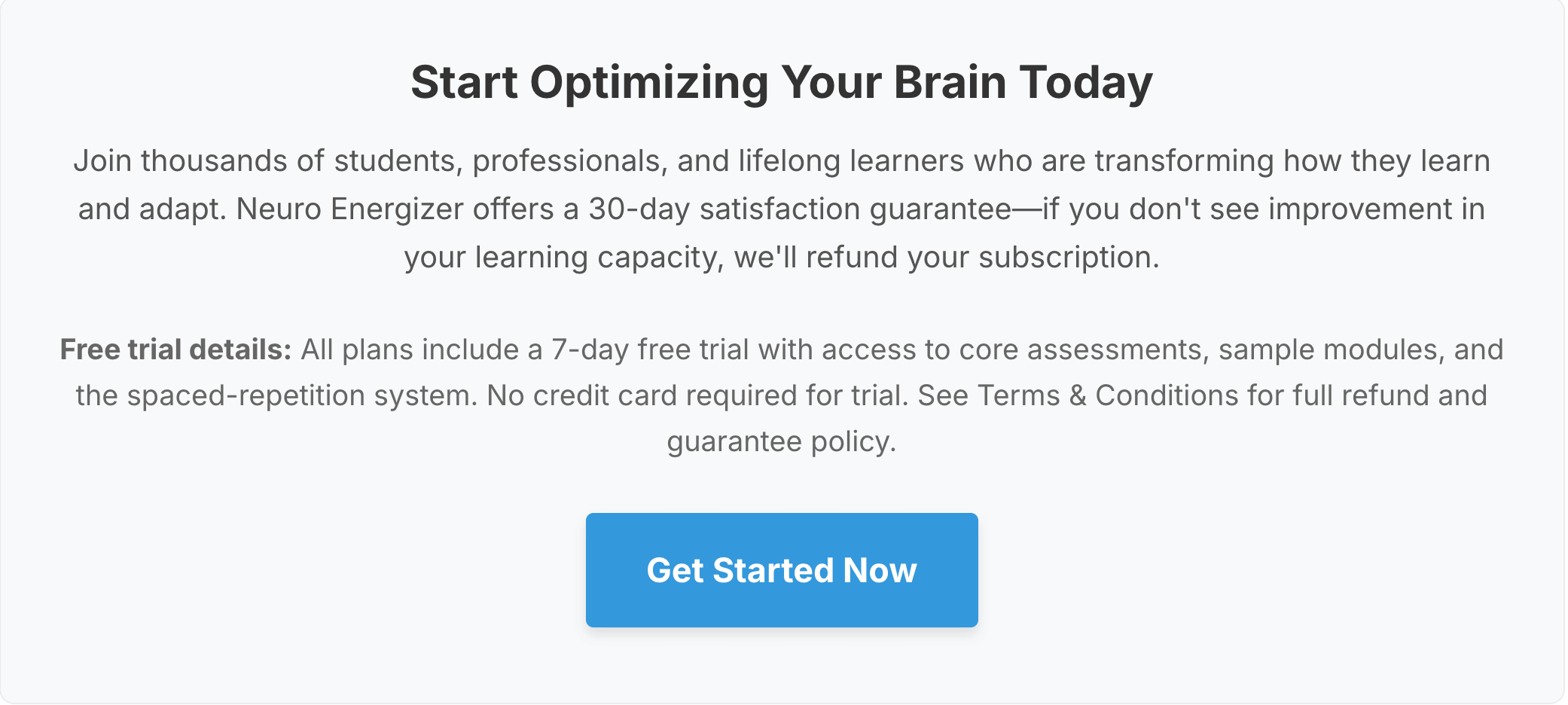
Transform How You Learn and Adapt

Experience the difference when learning is optimized for your unique brain
The science is precise: understanding how your mind learns and adapts is the key to unlocking fuller cognitive potential. Neuro Energizer turns modern brain science into practical tools that help you learn faster, remember more, and tackle new challenges with confidence.
Whether you're a student facing heavy coursework, a professional mastering new skills, or a lifelong learner pursuing personal growth, Neuro Energizer personalizes training to your needs and goals. The system evolves with your performance, continuously optimizing practice so your brain keeps improving over time.
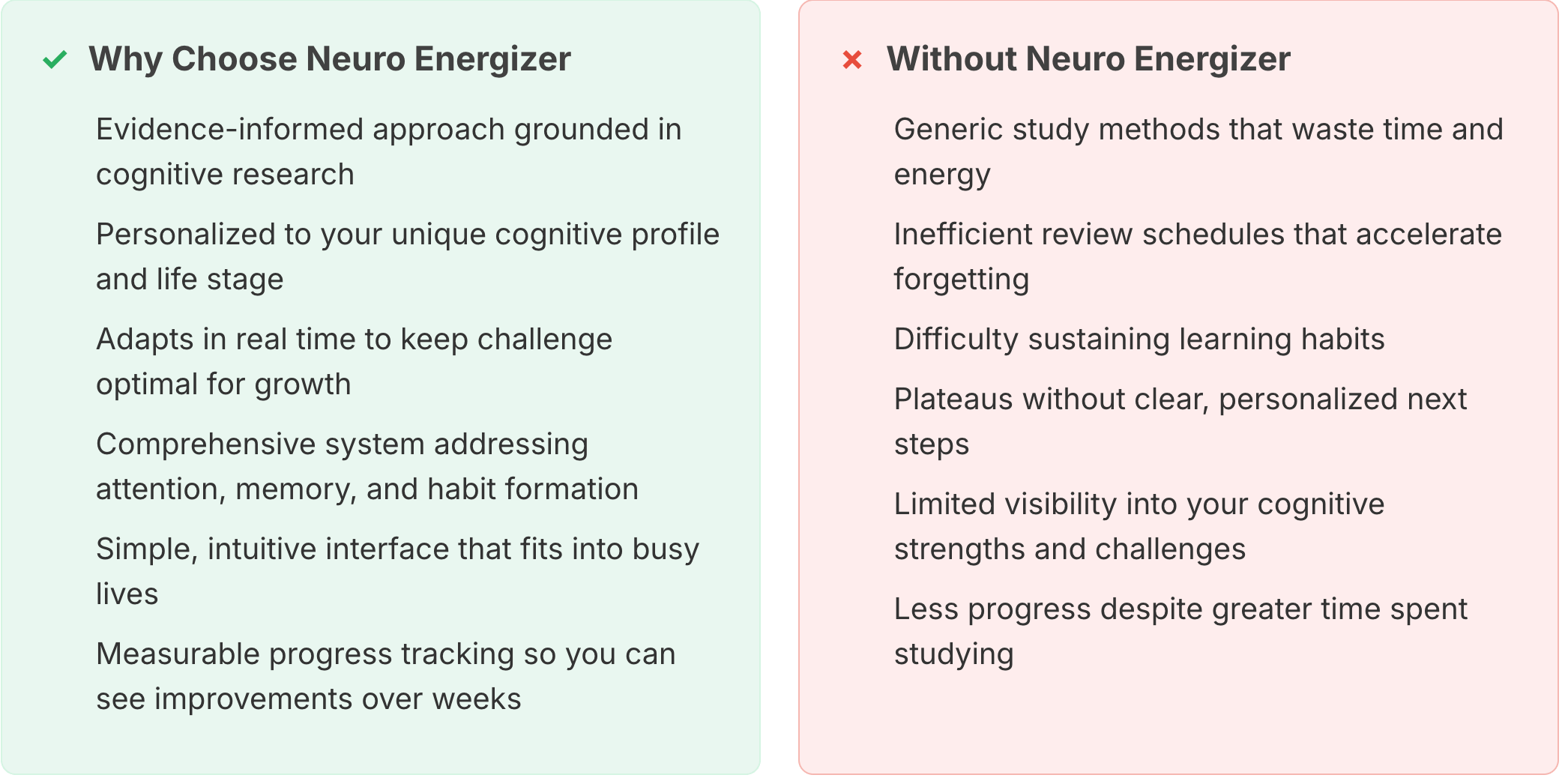
Embrace the Science of Learning
The psychology behind how the mind learns and adapts shows that our brain is far more dynamic and malleable than once believed. Through neuroplasticity, the brain reshapes itself in response to experience, enabling people to develop new skills, strengthen abilities, and acquire knowledge throughout life.
When you work with these natural processes—optimizing attention, memory, habit formation, and motivation—you can substantially improve how quickly you learn and how well you retain information. Grounded in modern research, these principles make learning more efficient and more resilient in the face of real-life challenges.
Neuro Energizer puts this science into practice with a personalized system that adapts to your cognitive profile and goals. Whether you're a student, a professional, or a lifelong learner, the platform combines adaptive training, evidence‑based memory techniques, and habit design to help your brain grow on schedule.
Don't let outdated study methods hold you back. Join thousands of learners who have adopted better strategies and seen measurable improvements in focus, retention, and overall cognitive function. Your mind and brain are ready to evolve—give them the tools and the guidance they deserve.