Meditation and the Mind: Exploring Internal Awareness
In our fast-paced world, the practice of meditation offers a rare opportunity to turn inward and explore the landscape of our own consciousness. When we meditate, we're not just seeking relaxation—we're embarking on a journey to understand the intricate workings of our mind. This internal exploration reveals how our thoughts form, how emotions arise, and how we can cultivate a deeper awareness of our mental processes.
The relationship between meditation and the mind is profound and transformative. By learning to observe our internal experiences without judgment, we develop the capacity to navigate life's challenges with greater clarity and emotional balance. This article explores how meditation practices foster internal awareness and the remarkable benefits this awareness brings to our daily lives.
Understanding Internal Awareness Through Meditation
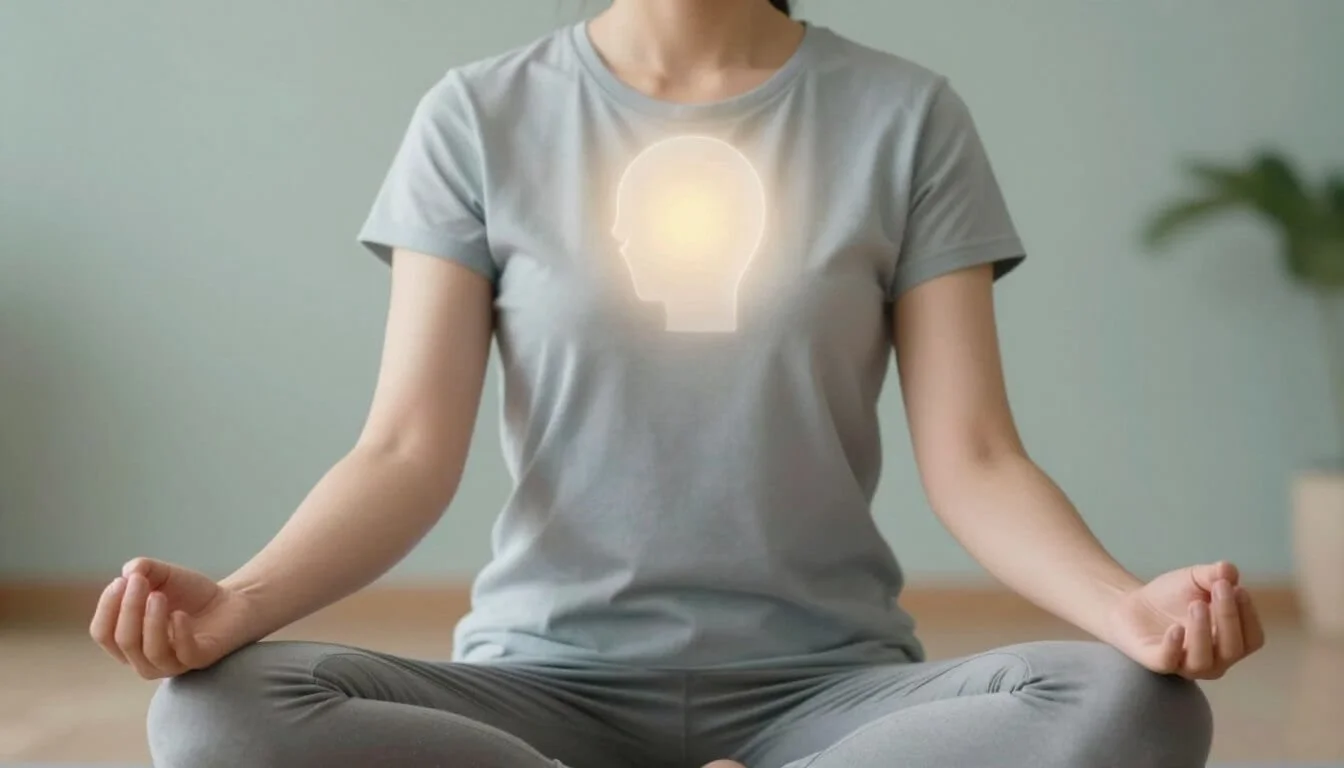
Internal awareness is the conscious recognition of our inner experiences—thoughts, emotions, bodily sensations, and the quality of our attention itself. Unlike external awareness, which focuses on the world around us, internal awareness turns our attention to the subjective landscape within.
Meditation serves as a powerful tool for developing this awareness. When we sit in meditation, we create a laboratory for observing the mind in action. We notice how thoughts arise and dissolve, how emotions color our experience, and how our attention naturally wanders and can be gently guided back.
This process of internal observation isn't about controlling the mind but rather understanding it. As meditation teacher Jon Kabat-Zinn notes, "You can't stop the waves, but you can learn to surf." Internal awareness gives us the ability to ride the waves of our mental experience with greater skill and less reactivity.
Different Approaches to Cultivating Internal Awareness
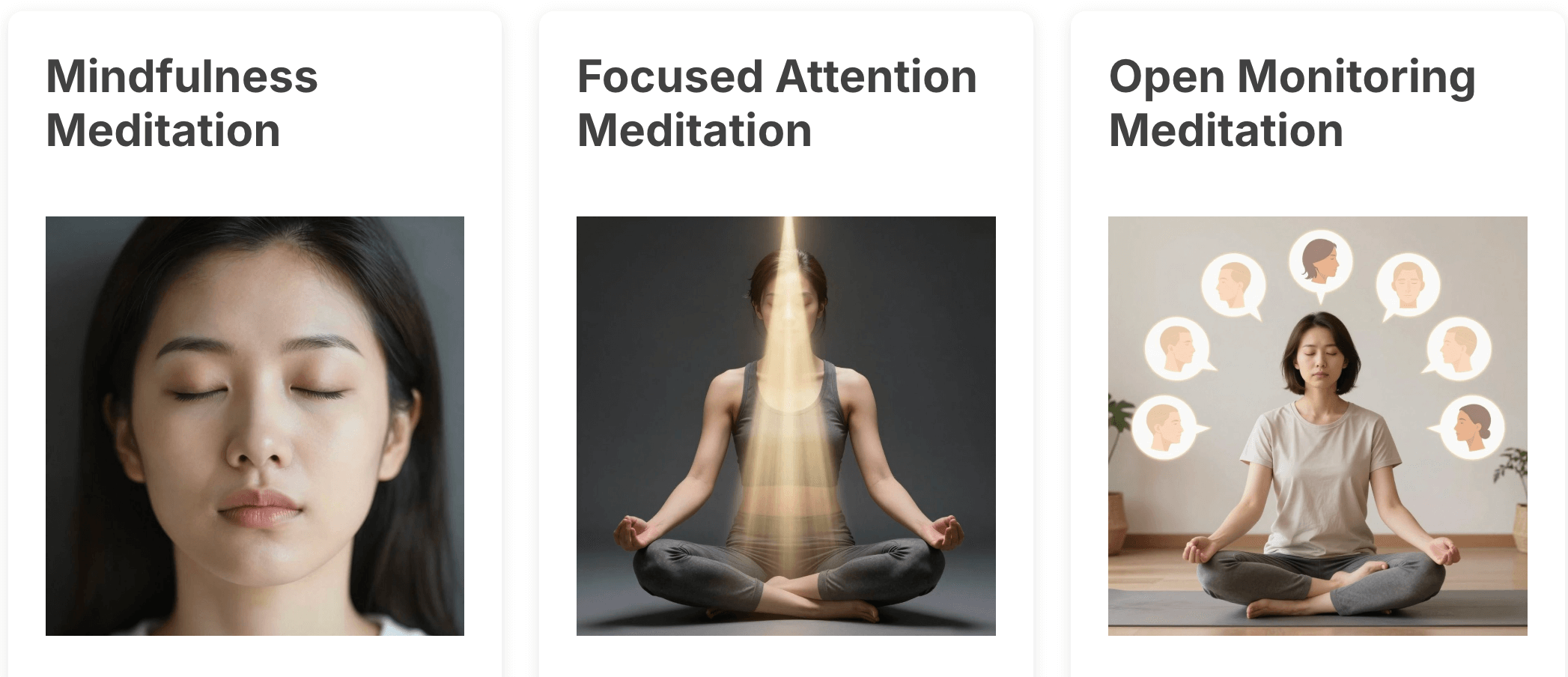
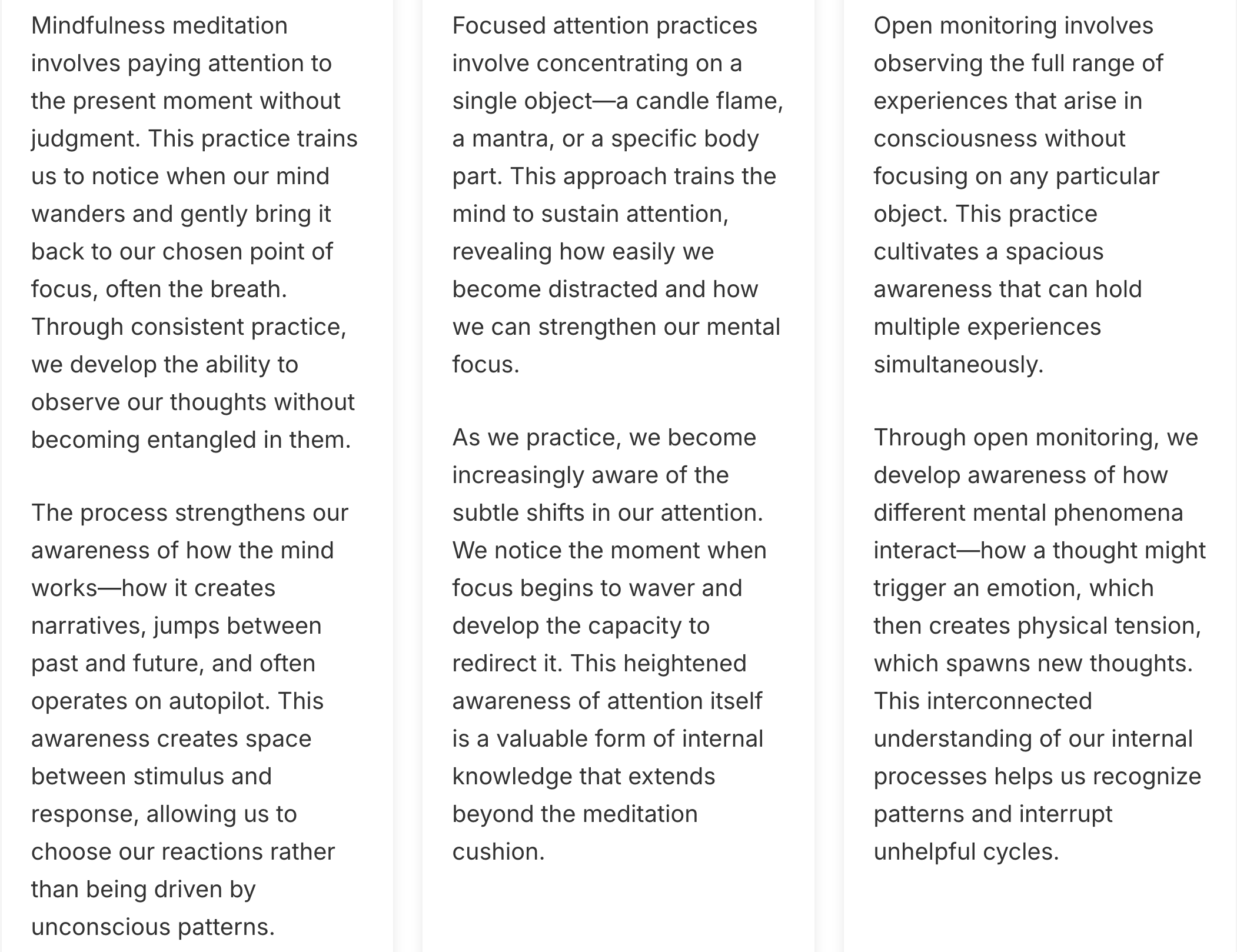
Various meditation practices offer unique pathways to developing internal awareness. Each approach highlights different aspects of our mental experience and cultivates awareness in complementary ways.
Mindfulness Meditation
The Benefits of Internal Awareness
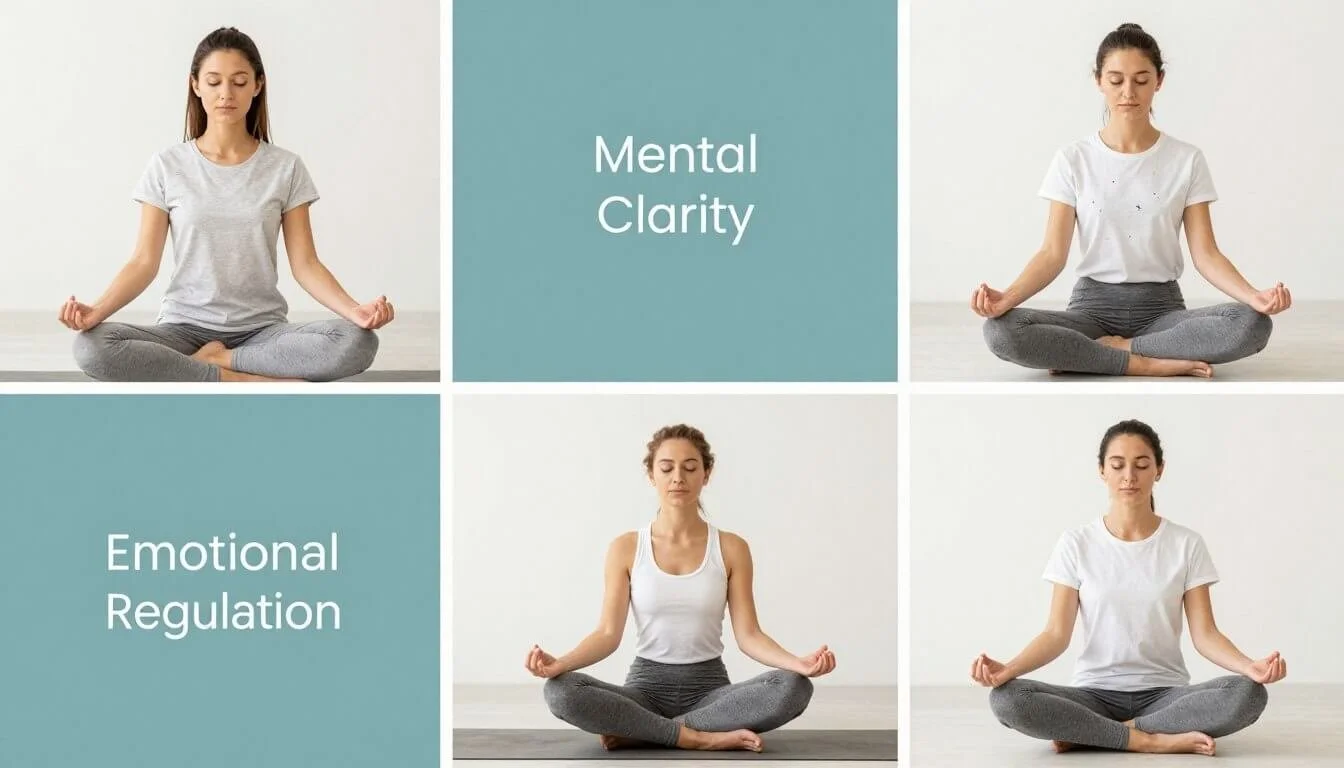
Cultivating internal awareness through meditation yields profound benefits that extend far beyond the practice itself. As we develop a deeper understanding of our mind, we gain tools for navigating life's complexities with greater skill and ease.
Enhanced Mental Clarity
Regular meditation practice clears away mental fog, allowing us to see situations more objectively. By observing how our mind works—how it creates stories, makes assumptions, and jumps to conclusions—we can recognize when these processes are happening and choose a clearer perspective.
This mental clarity helps us make better decisions, solve problems more creatively, and engage more fully with our work and relationships. We become less reactive and more responsive, able to access our complete cognitive resources rather than being limited by habitual thinking patterns.
Improved Emotional Regulation
Internal awareness gives us a front-row seat to the arising of emotions. We learn to recognize the early signs of emotional reactions before they overwhelm us. This early awareness creates a crucial pause—a space in which we can choose how to respond rather than being carried away by emotional currents.
Over time, this practice transforms our relationship with difficult emotions. Rather than seeing them as threats to be avoided, we recognize them as temporary experiences that provide valuable information. This shift allows us to engage with our emotional life in a more balanced and constructive way.
Deeper Self-Understanding
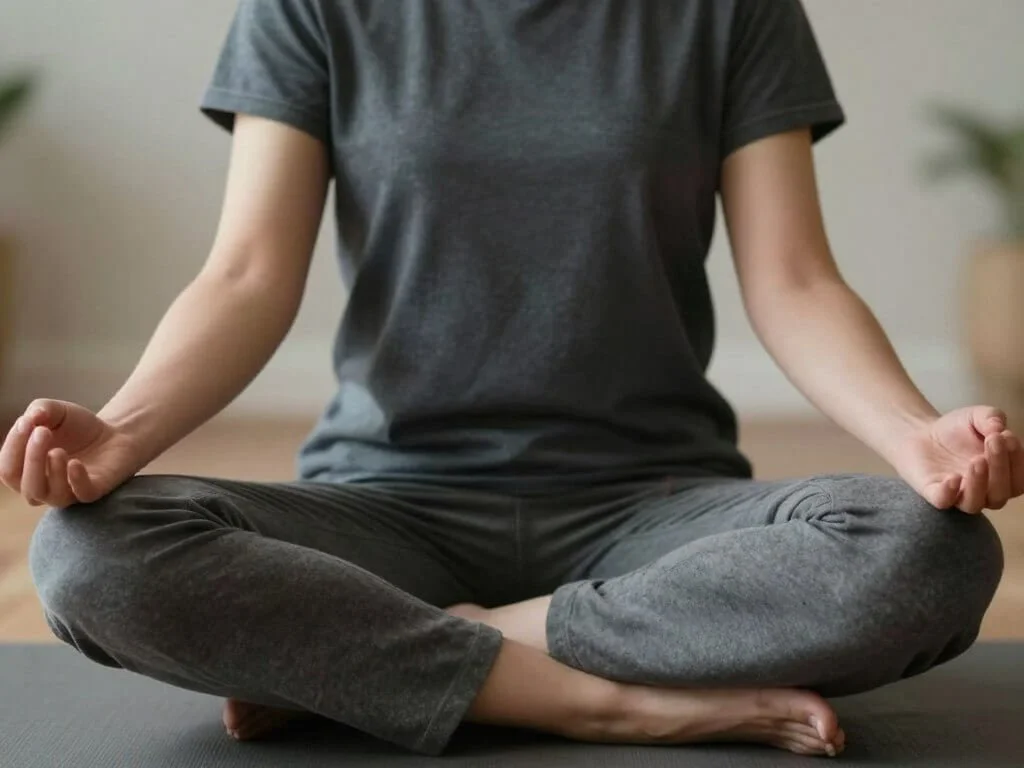
Perhaps the most profound benefit of internal awareness is the deeper understanding of ourselves it fosters. Through regular meditation, we uncover layers of conditioning, recognize recurring patterns, and connect with our authentic values and aspirations.
This self-knowledge is empowering. It helps us align our actions with our true intentions rather than being driven by unconscious motivations. We become more integrated, with less conflict between different aspects of ourselves, and more capable of living in accordance with our deepest values.
Practical Techniques for Developing Internal Awareness
Building internal awareness through meditation doesn't require hours of practice each day. Even short, consistent sessions can significantly enhance your understanding of your mind. Here are some practical techniques to get started:
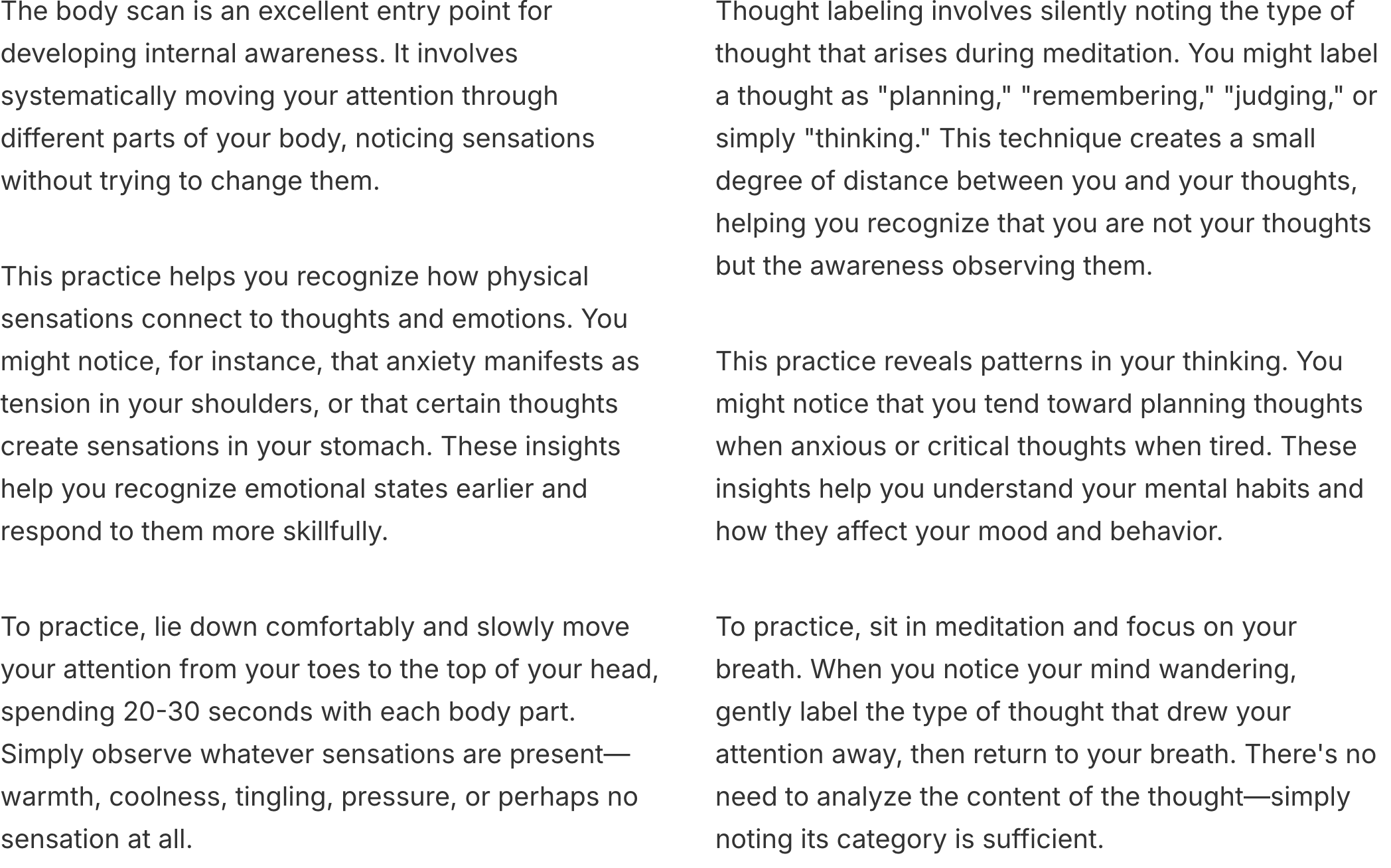
The Body Scan Practice

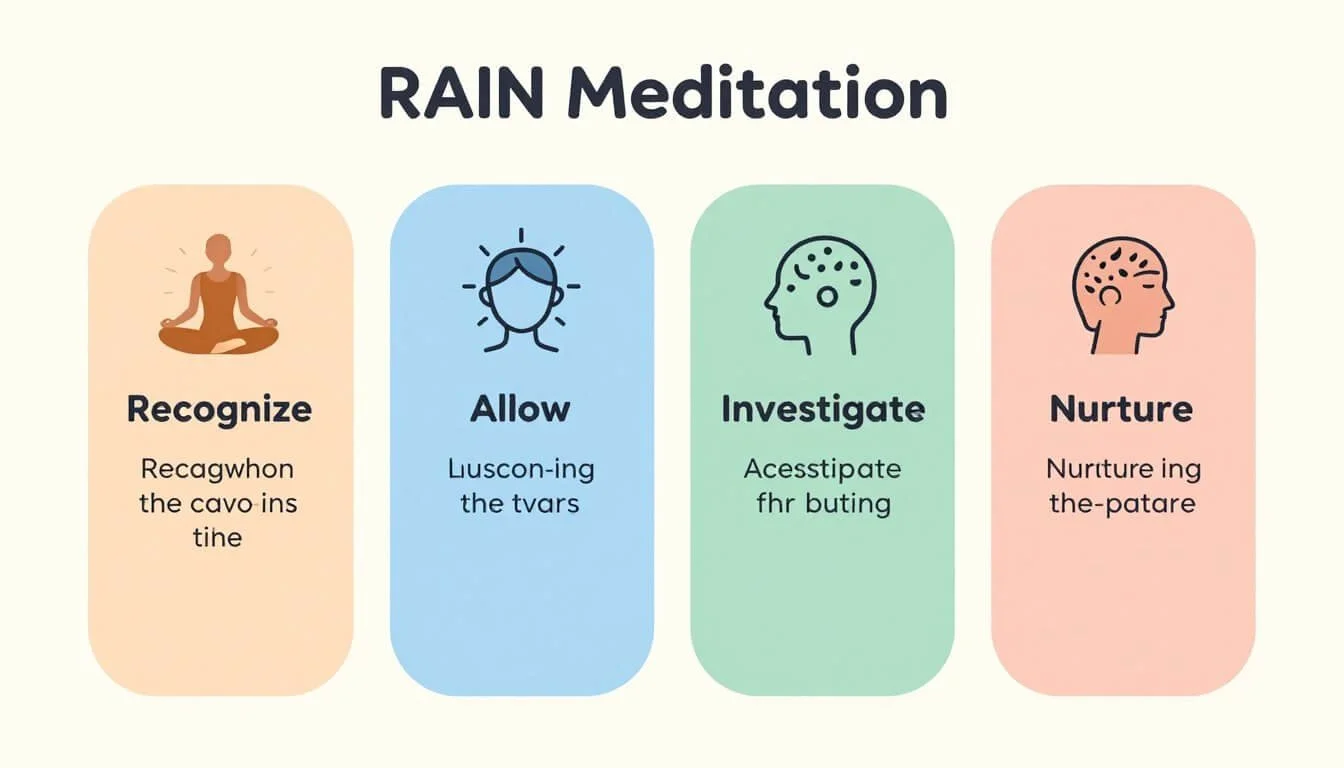
RAIN is a powerful technique for working with difficult emotions and developing deeper internal awareness. Developed by meditation teacher Tara Brach, the acronym stands for:
Recognize what is happening. Name the emotion or experience you're having.
Allow the experience to be there, without trying to change or fix it.
Investigate with kindness, exploring how this emotion manifests in your body and what beliefs may lie beneath it.
Nurture yourself with compassion, recognizing that this difficult feeling is part of being human.
This practice helps you develop a more nuanced understanding of your emotional landscape and cultivates self-compassion. Rather than being caught in reactivity, you learn to meet difficult experiences with presence and care.
Common Challenges in Developing Internal Awareness
The journey of developing internal awareness isn't always smooth. Understanding common challenges can help you navigate them more easily and persistently.
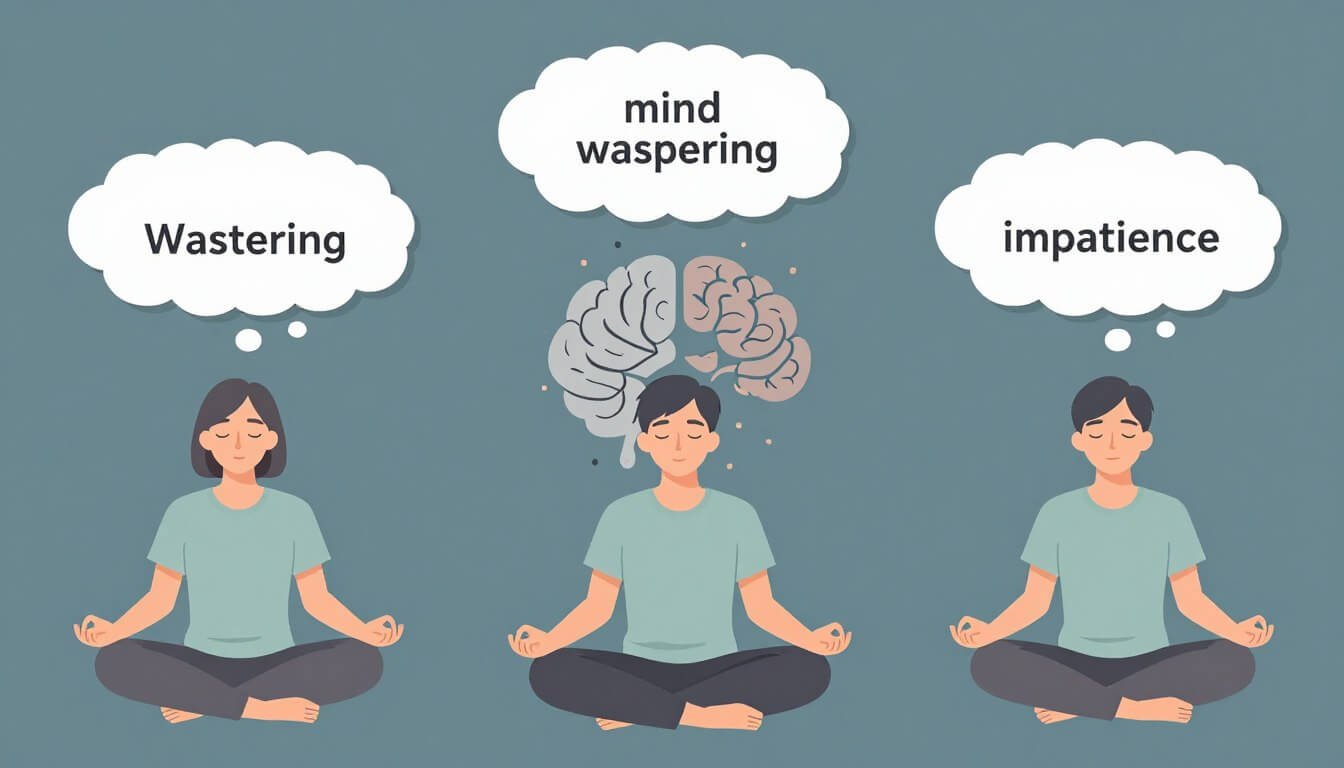
Mind Wandering
Perhaps the most universal challenge in meditation is the wandering mind. You set out to focus on your breath, and within seconds, you're planning dinner or replaying a conversation from yesterday. This is entirely normal—it's simply how the mind works.
The key insight is that noticing your mind has wandered is a moment of awareness, not a failure. Each time you recognize that your attention has drifted and gently bring it back, you're strengthening your capacity for understanding. This is the actual practice of meditation, not an obstacle to it.
Resistance to Difficult Experiences
As you develop internal awareness, you'll inevitably encounter difficult emotions, uncomfortable physical sensations, or challenging thoughts. The natural tendency is to pull away from these experiences, to distract yourself or try to make them stop.
Learning to stay present with discomfort—not to wallow in it, but to meet it with kind awareness—is a crucial skill. This doesn't mean you need to endure overwhelming experiences; instead, it's about developing the capacity to be with a broader range of experiences without immediately reacting.
Expecting Immediate Results
In our culture of instant gratification, it's easy to become discouraged when meditation doesn't immediately transform your experience. You might sit for a week and wonder why you're not feeling significantly calmer or more aware.
Internal awareness develops gradually, like any skill. Small shifts accumulate over time, often in ways that aren't immediately obvious. Trusting the process and maintaining consistent practice—even when the benefits aren't yet apparent—is essential for long-term growth.
Integrating Internal Awareness into Daily Life
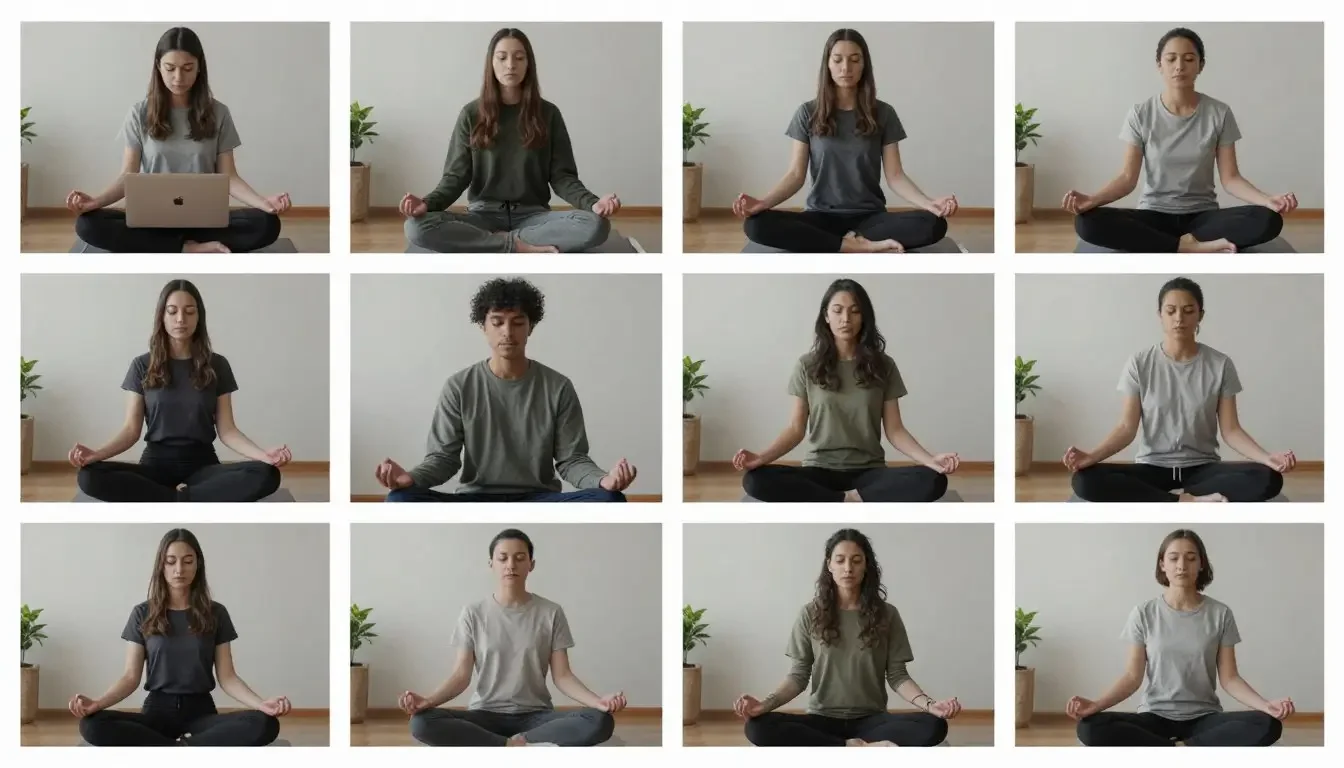
The ultimate goal of developing internal awareness isn't to become an excellent meditator—it's to bring this awareness into your everyday life. When meditation practice extends beyond formal sitting sessions, its benefits multiply exponentially.
Mindful Transitions
Transitions between activities offer natural opportunities to check in with your internal state. Before starting a new task, take a moment to notice your posture, the quality of your breath, and your current emotional tone. This brief pause helps you enter the next activity with greater presence and intention.
You might create a habit of taking three conscious breaths before answering the phone, starting your car, or opening your computer. These small moments of awareness, sprinkled throughout your day, help maintain connection with your internal experience.
Embodied Awareness
Your body is always in the present moment, making it an excellent anchor for awareness. Throughout your day, periodically shift attention to physical sensations—the feeling of your feet on the ground, the movement of your breath, or the sensation of your hands as they perform tasks.
This embodied awareness helps interrupt rumination and brings you back to the present moment. It also provides valuable information about your emotional state, as emotions always have physical components that you can learn to recognize.
Relational Awareness
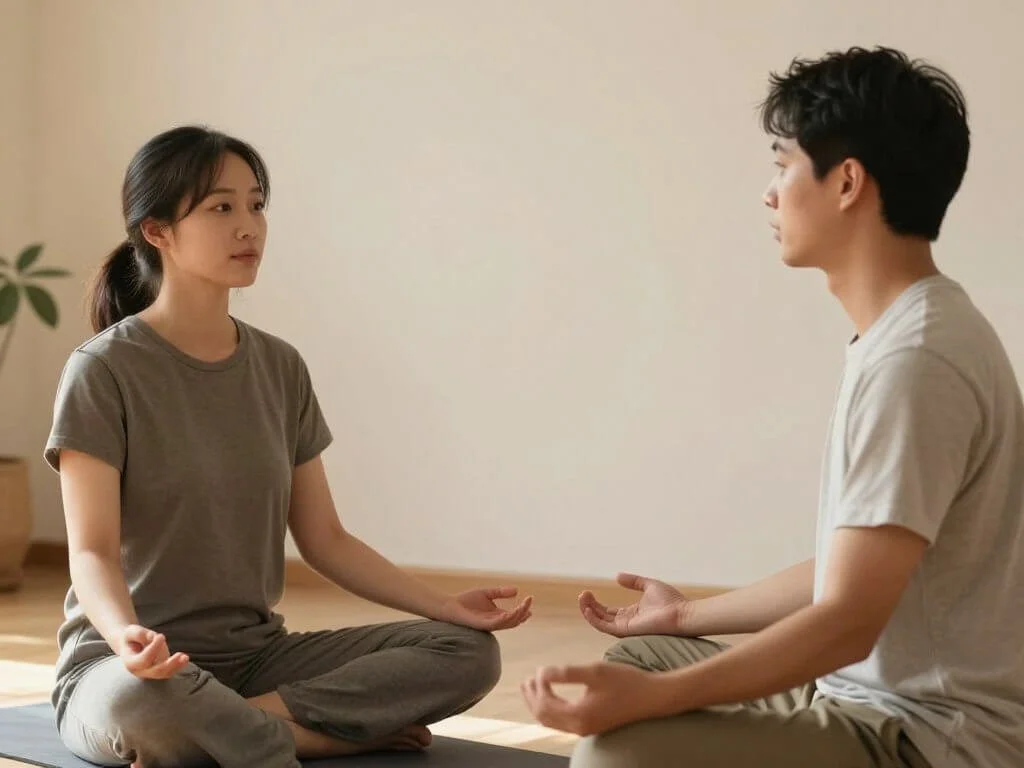
Interactions with others offer rich opportunities to practice internal awareness. During conversations, notice when you're fully present and when your mind has drifted to planning your response or making judgments. Observe how different interactions affect your internal state—creating tension, excitement, or calm.
This relational awareness helps you communicate more authentically and respond to others from a place of presence rather than reactivity. It also reveals patterns in how you relate to others that might otherwise remain unconscious.
The Science Behind Meditation and Internal Awareness
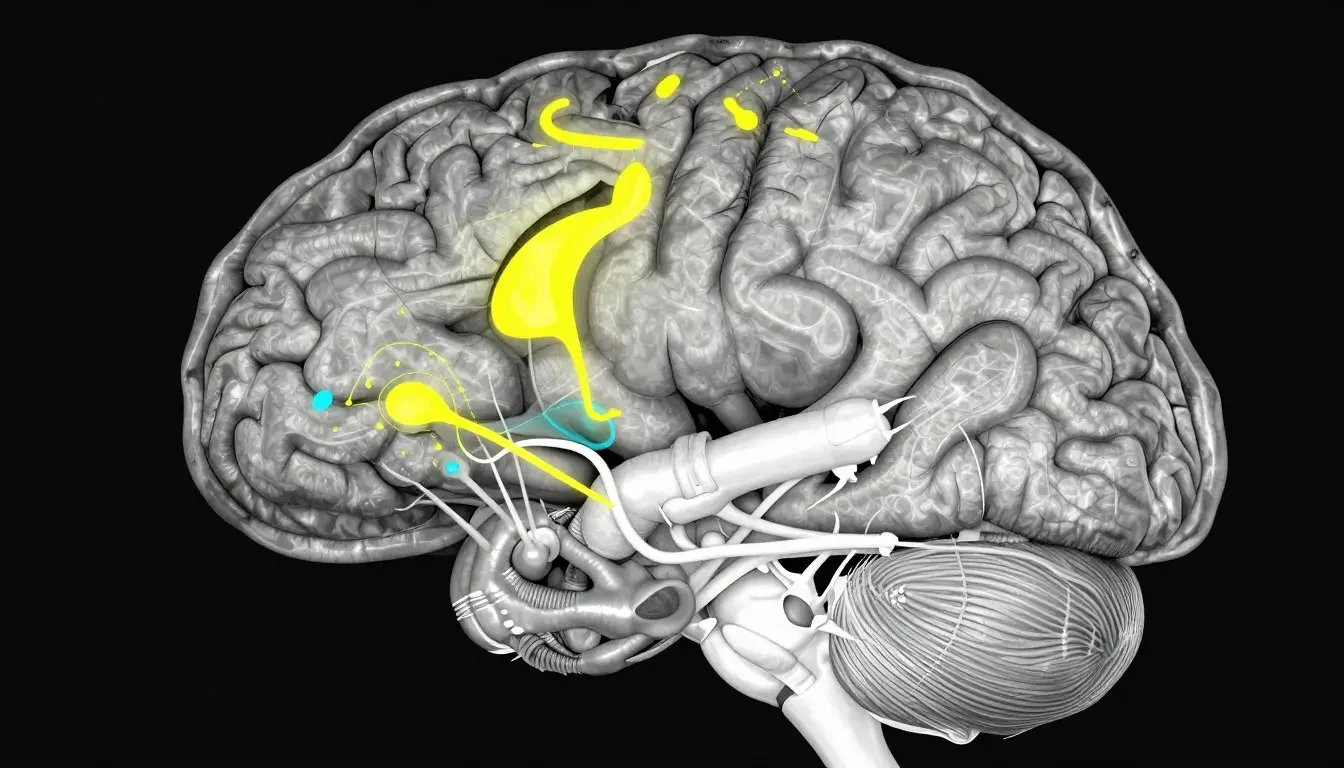
Scientific research increasingly validates what meditators have known for centuries: regular meditation practice creates measurable changes in the brain and body that enhance our capacity for awareness and well-being.
Neuroplasticity and Meditation
The brain's ability to reorganize itself—neuroplasticity—is the foundation for how meditation develops internal awareness. Studies show that regular meditation practice strengthens neural connections in areas associated with attention, sensory processing, and self-awareness.
Particularly significant are changes in the default mode network (DMN), a set of brain regions that become active when the mind wanders. Experienced meditators show reduced DMN activity, associated with less mind-wandering and greater present-moment awareness.
Physiological Effects
Internal awareness isn't just a mental phenomenon—it also has profound effects on the body. Research demonstrates that meditation practices can lower stress hormones, reduce inflammation, improve immune function, and even slow cellular aging.
These physiological changes create a positive feedback loop. As the body becomes calmer, the mind becomes clearer, making it easier to maintain awareness. This mind-body connection highlights the holistic nature of internal awareness.
Deepen Your Internal Awareness Journey
Ready to transform your meditation practice and develop profound internal awareness? The Neuro Energizer provides everything you need to establish a consistent, effective meditation practice tailored to your unique mind.
With over 200 guided meditations specifically designed to cultivate internal awareness, personalized practice recommendations, and progress tracking, Neuro Energizer helps you navigate your inner landscape with greater skill and compassion.
Structured Pathways - Follow progressive meditation courses that systematically develop your internal awareness skills
Expert Guidance - Learn from renowned meditation teachers with decades of experience.
Science-Backed Approach - Practices informed by the latest neuroscience research on meditation and the mind
Community Support - Connect with fellow practitioners to share insights and stay motivated

Embracing the Journey of Internal Awareness
Exploring your mind through meditation is a lifelong journey. Each time you sit in practice, you have the opportunity to discover something new about yourself—to witness the ever-changing landscape of your thoughts, emotions, and sensations with fresh eyes.
This internal awareness isn't just a personal benefit; it ripples outward into all aspects of your life. As you understand your own mind more deeply, you naturally bring greater presence, compassion, and wisdom to your relationships, work, and community.
Remember that developing internal awareness isn't about achieving a perfect state of mind. It's about meeting each moment—pleasant or complex, evident or confused—with kind attention. In this way, meditation becomes not just a practice but a way of being in the world—awake, aware, and fully engaged with the rich experience of being human.