What If the Mind Isn’t Fixed?
The human brain is often seen as unchangeable. But research shows it can adapt in amazing ways. This idea challenges the old belief that our thoughts stay the same forever.
Looking into the brain's nature shows it's not set in stone. Instead, it can grow and change. This knowledge offers new opportunities for personal growth and for improving how we think.
Key Takeaways
The brain is capable of remarkable adaptability.
Mental flexibility is key to personal growth and development.
A growth mindset enables individuals to overcome cognitive limitations.
Our thinking patterns are not fixed; they change.
The vastness of mental growth is yet to be explored.
1. Introduction: Questioning What We’ve Been Taught About the Mind
Our view of the mind is changing, questioning old ideas about mental limits and growth. For years, we thought the brain couldn't change much after a certain age. But new findings show the brain can adapt and change, a concept called neuroplasticity.
Rethinking Assumptions About Mental Capacity
Neuroplasticity means the brain can change a lot, adapting to new experiences and learning. This idea challenges the old belief that our minds can't change. Cognitive adaptability refers to how the brain adjusts to new information and situations, demonstrating its flexibility.
This idea of neuroplasticity and cognitive adaptability is very important. It means our mental abilities can grow and change as we live. This opens up new ways to improve our minds, beyond old methods that might not be enough.
Understanding the brain's ability to change helps us find new ways to grow mentally. It's about how our mental habits and inner alignment help us stay focused. This offers a more complete way to improve our minds and grow.
2. Why Traditional Mindset Techniques Often Feel Incomplete
Traditional mindset techniques often don't fully address mental development. They might help at first, but don't offer a full solution for growth.
These methods usually focus on a single aspect of mental growth, such as positive thinking. But they miss the complex workings of our minds, leaving us feeling incomplete.
Limitations of Conventional Approaches to Mental Development
Traditional techniques are too narrow. They don't see the big role of psychological resilience in facing challenges.
Cognitive restructuring and mindset shift are key to a better approach. They help us change how we see things and adapt to new situations, leading to clearer thinking and resilience.
The Need for a More Holistic Understanding
We need a deeper understanding of mental growth for lasting success. This means looking at how our thoughts, feelings, and social lives all connect.
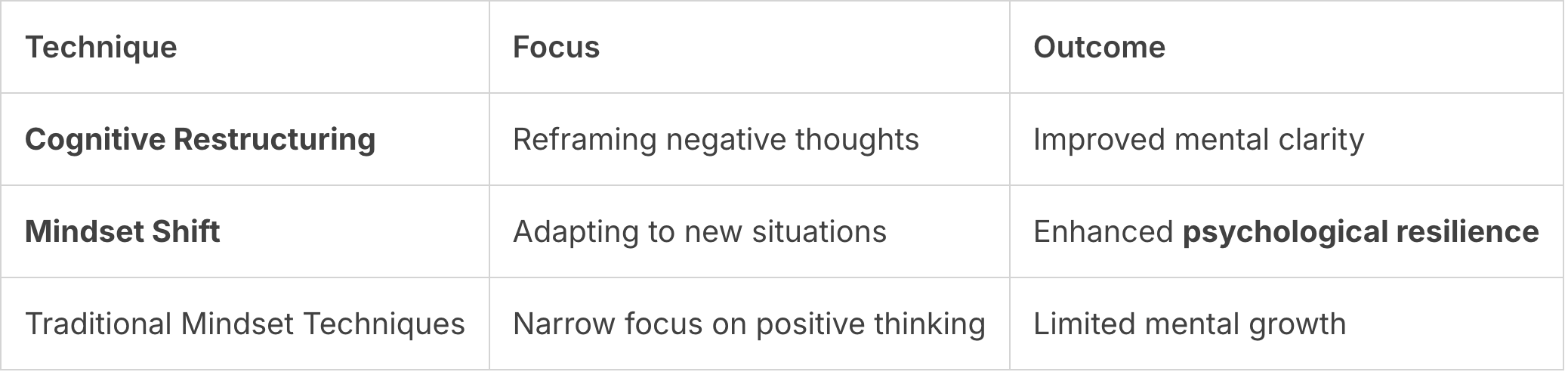
The table shows how traditional methods differ from more comprehensive approaches such as cognitive restructuring and mindset shifts.
Using these advanced techniques, we can build a stronger, more resilient mindset. This prepares us to better face life's ups and downs.
3. A Surprising Observation From Einstein’s Brain.
The story of Einstein's brain is fascinating. It gives us a peek into what makes some people incredibly smart. Researchers examined Einstein's brain after his death, hoping to find clues to his genius.
Neuroanatomical Features
Studies found that Einstein's brain was different. It had more glial cells in some areas. Glial cells help neurons function more effectively, making brain communication smoother.
Another key finding was the corpus callosum in Einstein's brain. This part of the brain connects the two hemispheres. It was more developed in Einstein, helping him think and solve problems more effectively. This might have helped him with math and seeing things in space.
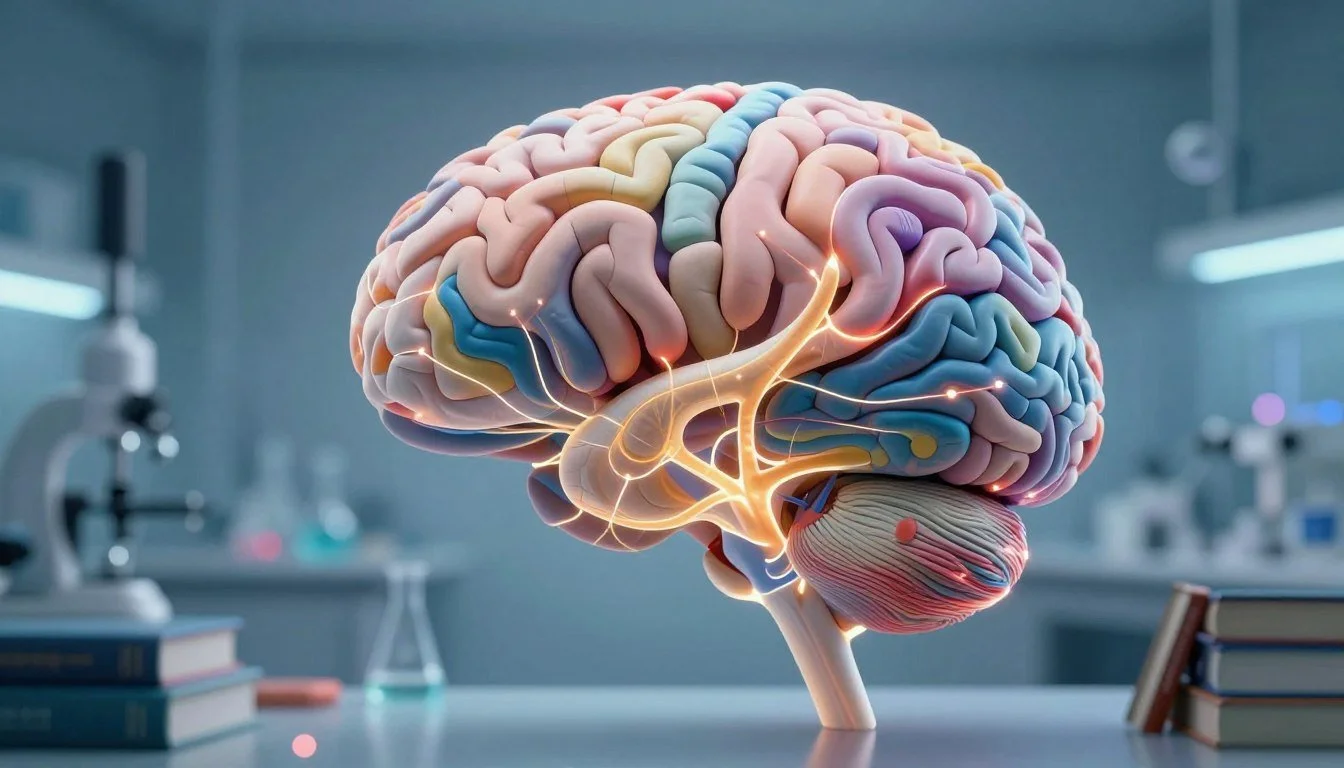
Looking at Einstein's brain has taught us a lot. It shows how the structure of our brain affects our thinking. This helps us better understand cognitive fluidity and mental resilience.

These findings from Einstein's brain help us understand the psychological growth mindset. They show how our brains can change and adapt. By studying these, we learn more about human intelligence and creativity.
4. What This Suggests About Mental Development
Studying Einstein's brain gives us a fresh view on how our minds grow. It's not just about the brain's shape but also how it changes and adapts.
One key finding is the role of emotional intelligence in mental growth. Emotional intelligence helps us understand our feelings and those of others. It guides how we think and act, making us better at solving complex problems.
Implications for Our Understanding of Brain Flexibility
The study on Einstein's brain shows us the power of mind flexibility. This is the brain's ability to change and adapt with new experiences and learning. It's key to growing our minds and staying resilient.
Research proves that our brains can make new connections at any age. This idea, called neuroplasticity, shows our brains are not set in stone. Instead, they can change and get stronger with practice and experience.

This idea is very important. It means we can all improve our thinking skills, no matter our age or background. By working on emotional intelligence, thinking on our feet, and being flexible, we can boost our mental health and clarity.
Also, understanding brain plasticity helps us create better learning programs. These programs can help people learn and grow their minds more effectively, leading to better mental health.
In short, studying Einstein's brain gives us a deep look into how our minds can grow. By focusing on emotional intelligence, thinking on our feet, and being flexible, we can unlock our full mental capacity.
5. The Role of Internal Alignment in Mental Clarity
Mental clarity is more than just discipline. It's also about internal alignment. When we're internally aligned, our minds work better. This leads to better focus and clarity.
Internal alignment means our thoughts, emotions, and body work together smoothly. This is key to clear thinking. It helps us process info better and make decisions more easily.
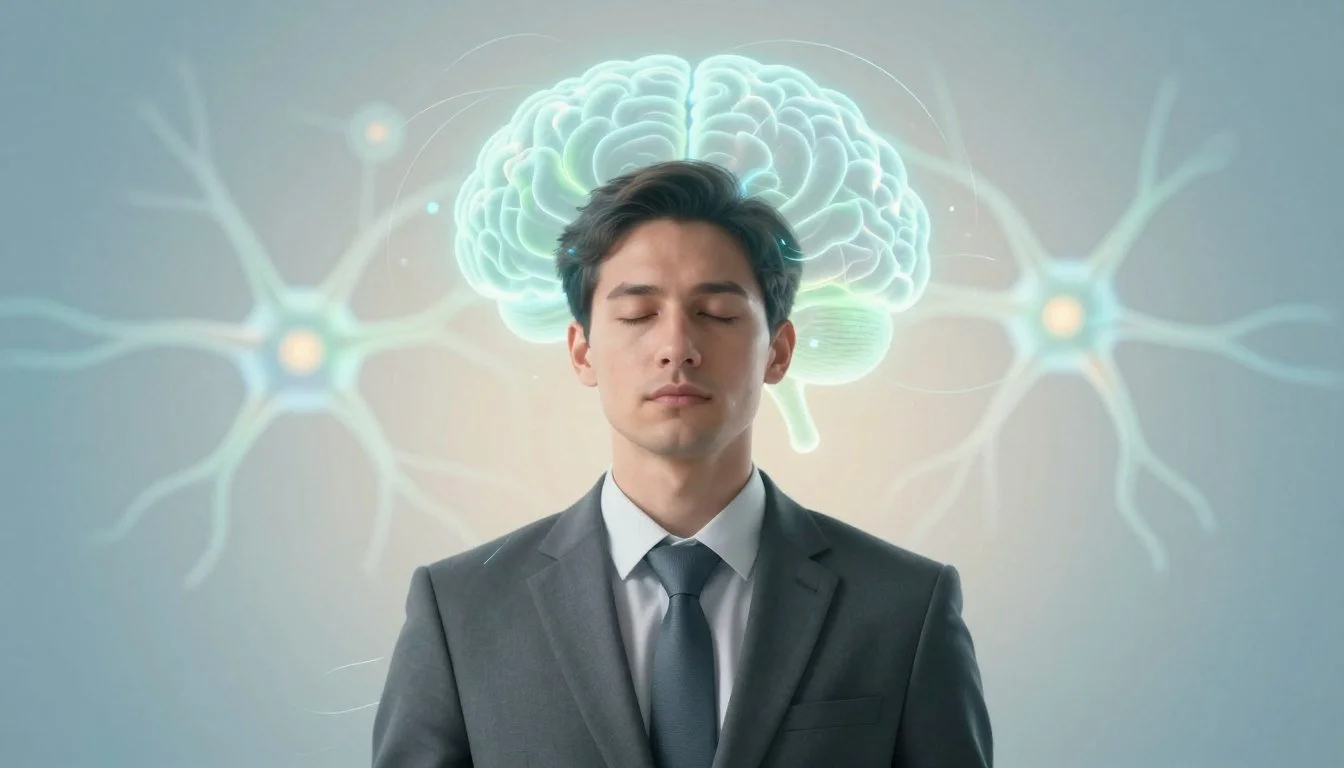
How Internal Alignment Supports Mental Focus
Internal alignment helps us stay focused by reducing distractions. It also boosts neural adaptability. When we're aligned, we can focus better and perform consistently.
Improved concentration due to reduced mental distraction
Enhanced neural adaptability allows for better adjustment to new information
Better emotional regulation leads to a more stable mental state
Cognitive changeability is also important here. It's about how our brains change and adapt to new experiences. By being internally aligned, we can improve our brain's ability to adapt. This leads to better mental flexibility and clarity.
To learn more about alignment and mental health, check out Mind and Soul Alignment. It talks about how alignment affects our mental well-being.
6. A New Way People Are Exploring Mental Focus
People are now believing that our minds can grow beyond what we thought. We're finding new ways to improve our mental focus and clarity. This change comes from a growing curiosity about our brain's true abilities.
Innovative Approaches to Mental Clarity
New trends in mental growth focus on a whole-body approach. They combine physical, emotional, and mental health. This shows that clear thinking isn't just about our brains but also about being balanced.
Mindfulness and Meditation are becoming increasingly popular for improving mental focus. They help us stay present and make better choices.
"The mind is not a fixed entity; it is capable of change and growth through practice and dedication."
— A renowned neuroscientist
Neurofeedback and brain-training programs are also on the rise. They help us understand and control our brain activity. This can lead to clearer thinking and focus.
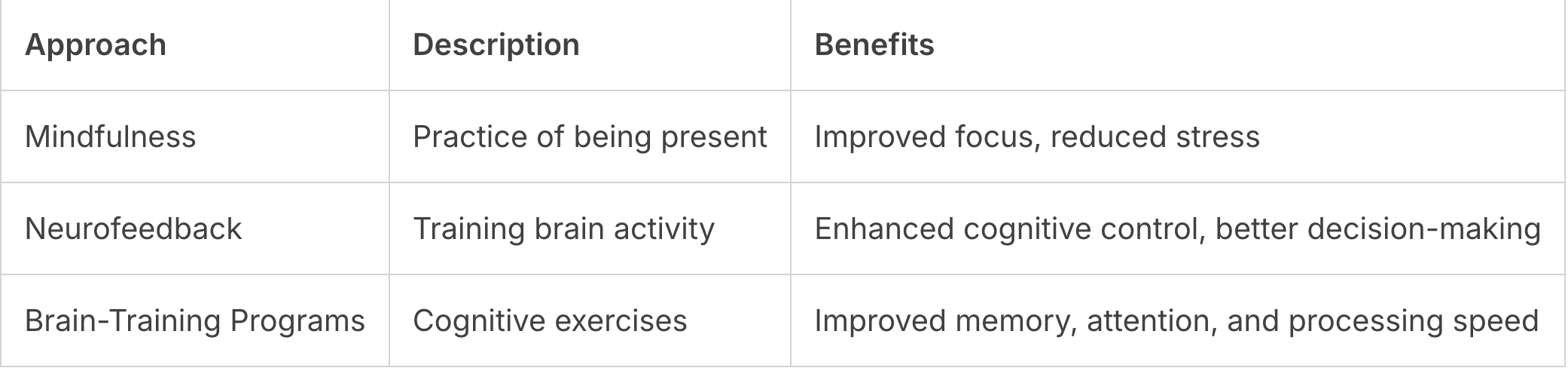
Exploring these new methods is key to mental growth. The idea that our minds can change is exciting and challenging.

By diving into these trends, we can reach new heights of mental clarity. This journey is about growing our minds and understanding how they connect with our bodies and world.
7. What People Are Saying (General Observations)
Many people are finding new ways to improve their minds. They say it has made them more flexible and better able to handle tough situations.
Feedback and Insights From Those Exploring New Approaches
Those trying new ways to clear their minds often share their stories. They talk about how a growth mindset has helped them. They see challenges as chances to grow, not threats to their ego.
Neuroplasticity, or the brain's ability to change, is key to their success. Studies show the brain can change and adapt at any age.
"The most significant breakthrough came when I stopped trying to fit new information into my existing mental frameworks and instead allowed myself to rewire my thinking."
— Anonymous
Some common things people notice include:
They can focus better and stay clear-minded even when stressed.
They're more creative and good at solving problems.
They handle emotions better and are more resilient.
These stories aren't just one-offs; they're part of a bigger trend. People from all walks of life are seeing the benefits of new methods of mental development. It shows that these approaches can help us become more adaptable and strong.
The journey to clearer thinking and flexibility is unique for each person. It's not just about using new techniques. It's about changing how we see challenges and opportunities.
8. Why This Approach Feels Different
The new approach to improving mental skills emphasizes adaptability and resilience. This change is important because it shows how cognitive adaptability, brain plasticity, and psychological resilience all work together.
The new approach stands out for several reasons.
It focuses on cognitive adaptability, helping people better handle complex mental challenges.
It uses brain plasticity, knowing that the brain can change and grow is key to mental growth.
It builds psychological resilience, helping people handle stress and tough times.
Key Differences in Practice
The new approach differs from the old ways in how it approaches mental growth. It's more complete, using methods that enhance thinking flexibility and support brain change.
For example, mindfulness and meditation improve brain plasticity. A famous neuroscientist said,
"The brain's ability to change and adapt is a fundamental aspect of its function, and leveraging this ability is key to mental development."
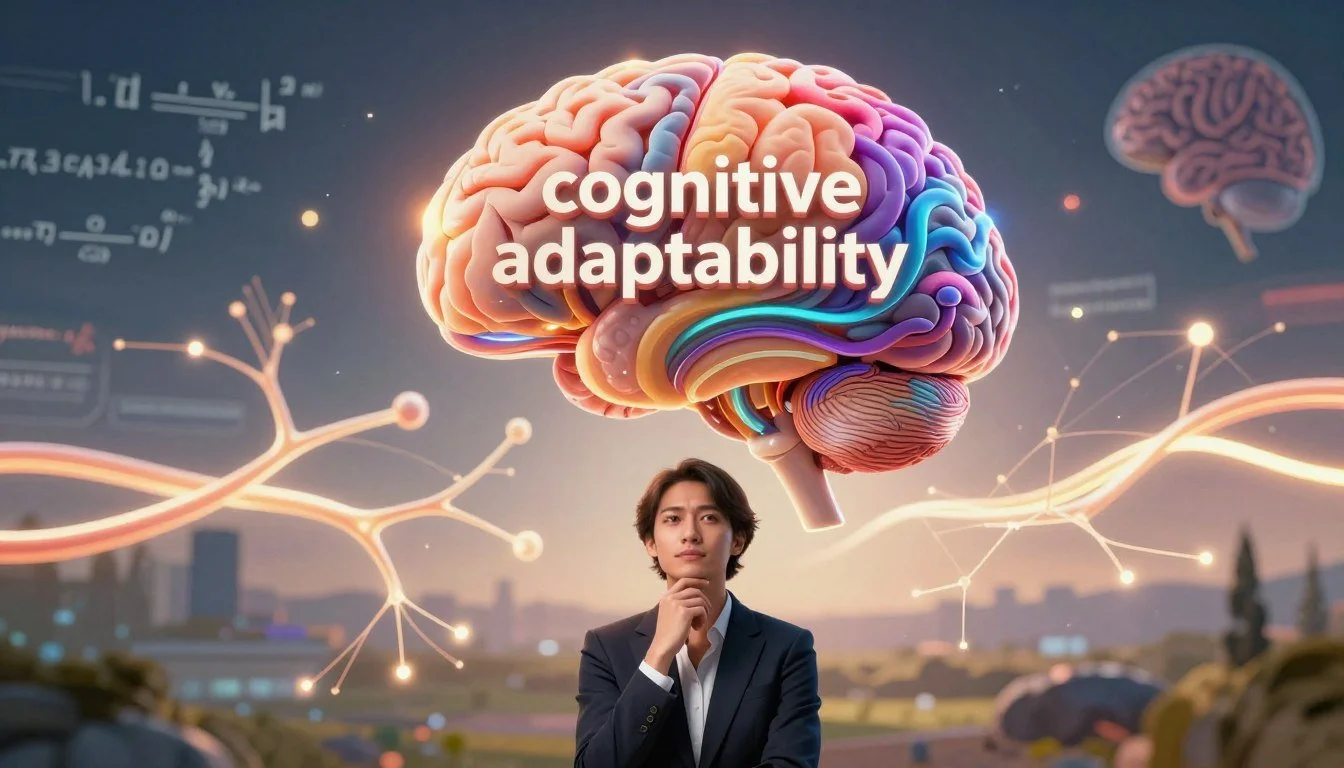
In summary, the new approach to improving mental skills is unique because it's grounded in a deeper understanding of cognitive adaptability, brain plasticity, and psychological resilience. It helps people build a stronger and more flexible mind.
9. Learn More: Educational Resource
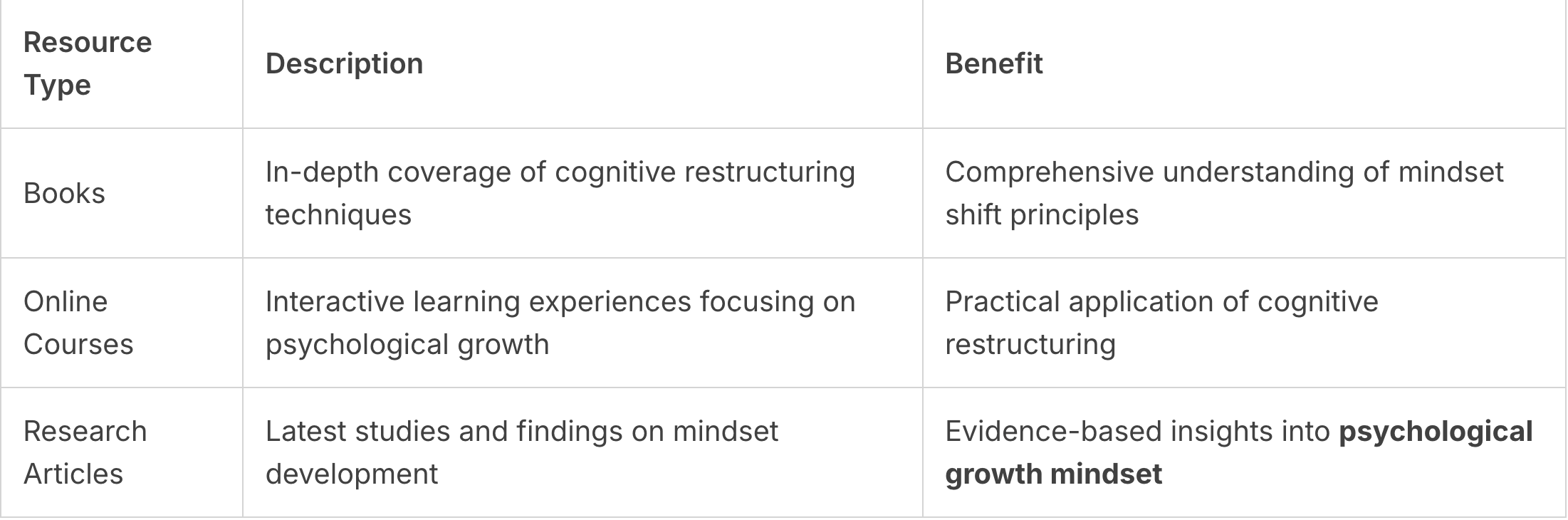
If you want to learn more about cognitive restructuring and mindset shift, there are many resources available. These resources can help you better understand the concepts.
Key Resources for Further Learning
Here are some recommended resources for further learning:
Books: There are books that focus on cognitive restructuring and mindset development. They offer deep insights into the subject.
Online Courses: Online courses on psychological growth mindset and related topics are very helpful. They provide practical learning experiences.
Research Articles: Academic journals publish studies on cognitive restructuring and mindset shift. They share the latest research findings.
A summary of these resources is provided in the table below:
By exploring these resources, you can deepen your understanding of cognitive restructuring, mindset shift, and psychological growth. This will support your journey towards mental clarity and personal growth.
"10. Conclusion: Rethinking Mental PotentiaL"
Mental development is complex. It involves mental resilience, cognitive fluidity, and emotional intelligence. These factors shape our mental capacity.
Key Takeaways
Understanding this, we can rethink our mental limits. Building mental resilience helps us face challenges better. Cognitive fluidity makes switching between tasks easier. Emotional intelligence improves how we interact with others.
These elements give us a deeper understanding of mental growth. As we learn more about the mind, we might find new ways to improve our mental abilities.
FAQ
What is the concept of neuroplasticity, and how does it relate to cognitive adaptability?
Neuroplasticity is the brain's ability to change and adapt with new experiences and learning. It's closely tied to cognitive adaptability. This means the brain can adjust to new demands, making it more flexible and resilient.
Can traditional mindset techniques be effective in achieving mental clarity and focus?
Traditional mindset techniques can help, but they might not be enough for lasting mental clarity and focus. Internal alignment and mental habits are key to cognitive growth and resilience. They can complement traditional techniques well.
What role does emotional intelligence play in mental development and brain flexibility?
Emotional intelligence is vital for mental development and brain flexibility. It helps people understand and manage their emotions. This skill is essential for adapting to changes and gaining a deeper understanding of oneself and others.
How can cognitive restructuring and mindset shift support mental growth and well-being?
Cognitive restructuring and mindset shift are powerful tools for mental growth and well-being. They help individuals challenge and change negative thoughts. This leads to a more adaptable and resilient mindset and greater self-awareness.
What is the significance of neural adaptability and cognitive changeability in maintaining mental flexibility?
Neural adaptability and cognitive changeability are key to mental flexibility. They allow the brain to adapt to new demands. This supports cognitive growth and resilience throughout life.
Can emerging trends in mental development, such as those discussed in the article, be effective in enhancing mental focus and capacity?
Yes, emerging trends in mental development could enhance mental focus and capacity. Trends focused on internal alignment, cognitive restructuring, and mindset shifts are promising. They may be worth exploring for those looking to support their mental growth and well-being.